The rebalancing of the oil market will be “gradual”, the International Energy Agency said on Friday, as production cuts by Opec and Russia are offset by swelling US supply and an uncertain demand outlook.
While Saudi Arabia leads global producers in cutting production to bolster an oil market that has come under pressure in recent months, supply from the US is increasing to record levels while global demand remains unclear.
“The journey to a balanced market will take time, and is more likely to be a marathon than a sprint,” the Paris-based IEA said in its monthly oil market report.
The kingdom enacted cuts last month ahead of official supply curbs taking effect in January among big producers, taking Opec production down by 590,000 barrels a day in December to just under 32.4m b/d.
Saudi Arabia-led Opec and its allies including Russia agreed last month in Vienna to trim supplies by 1.2m b/d to bring supply and demand into balance and keep oil prices in check after a 40 per cent fall since October.
Even as Brent crude has recovered above $60 a barrel, the IEA said it was unclear about how much Russia will contribute. Meanwhile the US in 2019 “will reinforce its leadership as the world’s number one crude producer”.
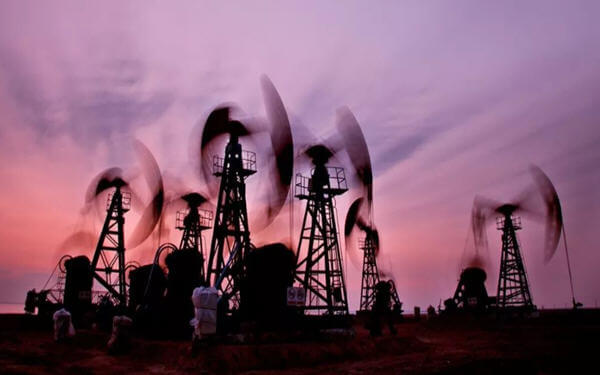
US production, driven by output from shale-oil fields, will increase by 1.3m b/d this year. This will make up the bulk of 1.6m b/d of output rises outside of the Opec cartel taking total production to 62.1m b/d.
On demand, even as signs are emerging of US-China trade tensions easing, the IEA said “the mood music in the global economy is not very cheerful”. Still the body held its forecast for growth at 1.4m b/d for 2019, taking total consumption to 100.7m b/d.
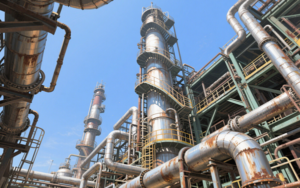
The IEA said refining processing capacity will increase by 2.6m b/d, the biggest growth for four decades, even as margins are under pressure with gasoline taking a hit because of oversupply and weak demand.
Source: Financial Times