Steel and Aluminum Won’t Be Affected by Reciprocal Tariffs, White House Confirmed
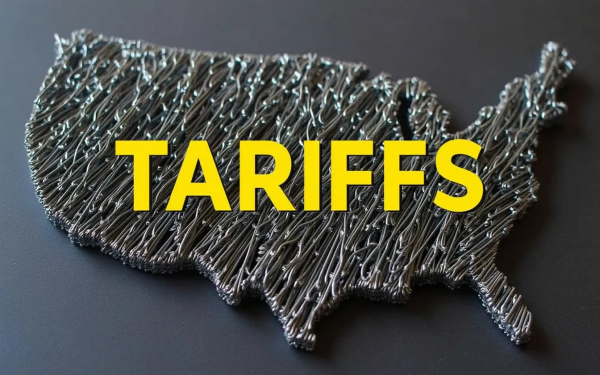
The White House announced on Wednesday that it will not impose reciprocal tariffs on steel and aluminum imports, which already has been levied a 25% duty for those critical components used in everything from automobiles to dishwashers.
In a White House factsheet, it stated that steel and aluminum products already subject to Section 232 tariffs—enacted on national security grounds—would be exempt from new tariffs announced by President Trump earlier in the day. Gold and copper were also temporarily added to the exemption list.
Steel and aluminum serve as foundational materials for core industries such as automotive manufacturing, infrastructure, and defense. However, domestic steel production has failed to meet U.S. demand in recent years, with imports accounting for over 30% of consumption. Analysts warn that existing tariffs have already driven up manufacturing costs, raising concerns about long-term industrial competitiveness.
The decision marks a partial reversal of Trump’s February order, which imposed a 25% tariff on all steel and aluminum imports while scrapping all exemptions. The administration has consistently defended its “reciprocal tariffs” strategy, arguing that it aims to reduce trade deficits, boost federal revenue, safeguard domestic industries and national security, and incentivize manufacturing reshoring to enhance U.S. corporate competitiveness.
Fitch Ratings analyst Olu Sonola warned that the average U.S. tariff rate on all imports could surge to approximately 22% under the reciprocal tariffs framework—a tenfold increase from 2023 levels and the highest in over a century. Such a spike risks triggering recessions in trade-dependent economies globally.
Economic Warnings Intensify
JPMorgan economists recently raised the probability of a U.S. recession linked to trade policies to 40%, while Goldman Sachs downgraded its 2025 GDP growth forecast from 2.2% to 1.7%. The Federal Reserve’s March economic projections echoed this caution, with policymakers revising median 2024 GDP growth estimates down to 1.7% from December’s 2.1%.
Market Reactions and Risks
Steel prices have climbed to their highest levels in more than a year, propelling U.S. steel stocks to outperform broader market in 2024. However, demand remains subdued amid sluggish construction activity, persistent inflation, and elevated borrowing costs, casting doubt on the sustainability of recent price gains.
Meanwhile, gold and copper traders are assessing the global economic ripple effects of Trump’s tariffs. Early Asian trading saw spot gold prices hold steady, while copper futures dipped, reflecting concerns over potential industrial demand slowdowns.
Aluminum
Copper
Gold
Steel
Trump