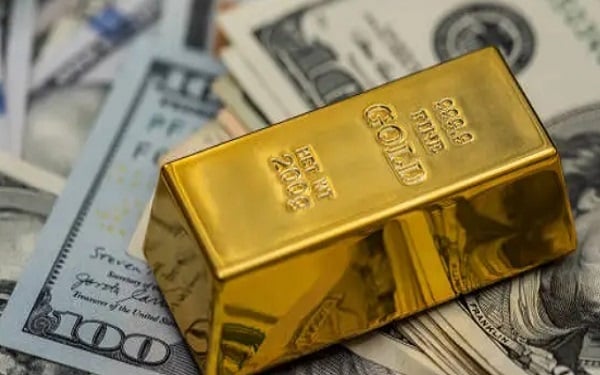
Following the U.S.-China trade talks a few weeks ago, gold markets experienced a sell-off as investor sentiment shifted. However, Citi analysts have now raised their short-term gold price forecast back to $3,500 per ounce, up from their mid-May projection of $3,000-$3,300. The two primary catalysts behind the upward revision are escalating geopolitical tensions and renewed trade tariff uncertainties.
Trade Frictions Fuel Safe-Haven Appeal
Recent threats by U.S. President Trump to impose 50% tariffs on EU imports – though subsequently softened – have reignited market anxieties about global trade stability. Citi notes these uncertainties are driving capital flows into traditional safe-haven assets like gold. The metal had previously breached $3,500 in April amid concerns over Federal Reserve independence before retreating to $3,150 as trade tensions eased. Current market conditions suggest gold may oscillate between $3,100-$3,500 in H2 2025, presenting tactical allocation opportunities for investors.
China’s Resurgent Demand Signals Strength
Concurrently, China – the world’s top gold consumer – has demonstrated remarkable demand recovery. Hong Kong trade data reveals April net imports surged to 43.5 metric tons, a dramatic reversal from March’s 4.9 ton net exports, with total imports reaching 58.6 tons, the highest in twelve months.
Analysts attribute this rebound to Q1 supply tightness that drove local premiums to $44-$50/oz above global benchmarks. The PBOC’s sixth consecutive month of gold reserve accumulation, coupled with expanded forex quotas for commercial bank imports, has further bolstered long-term market confidence.
Balanced Outlook: Structural Support vs Long-Term Caution
While bullish in the near-term, Citi maintains measured long-term caution. Potential Fed rate cuts and U.S. midterm elections could mitigate economic risks, potentially reducing safe-haven demand.
Additionally, global household gold holdings at 50-year highs may constrain further upside. However, structural supports remain robust: gold investment now represents 0.5% of global GDP – a half-century high – with resilient jewelry demand in China/India and sustained central bank purchases providing fundamental support.
Market Perspective: Navigating Volatility
The report concludes that while geopolitical conflicts and policy uncertainties provide short-term catalysts, Asian demand recovery and institutional buying underpin medium-term fundamentals. Investors should prepare for volatility while recognizing gold’s growing importance as a portfolio diversifier in 2025.
As Citi emphasizes, the current environment favors range-trading strategies. Amid global economic fragmentation and monetary system evolution, gold’s traditional role as a crisis hedge appears set to endure.