The benchmark S&P 500 index hit a fresh record high on Monday, extending its year-to-date gains to about 13%, fueled by the Federal Reserve’s first-rate cut since last December. This rally could have much further to go, according to a stark warning from Universa Investments, a hedge fund known for profiting from market crashes.
Mark Spitznagel, Chief Investment Officer and founder of Universa, predicts the current market euphoria could drive the S&P 500, now around 6,653 points, another 20% higher to break through the 8,000-point milestone. The central bank’s signal that more rate cuts are likely to counter a weakening labor market could further broaden Wall Street’s rally.
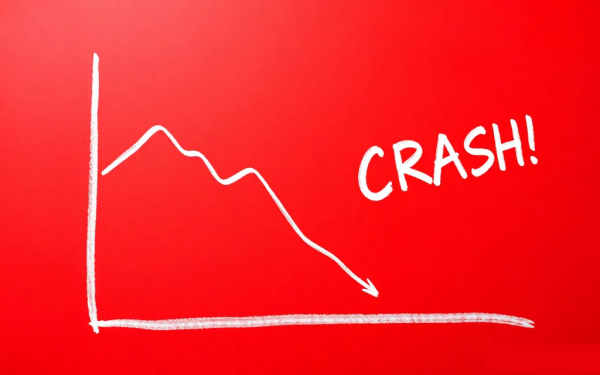
However, Spitznagel warns that this ascent is a prelude to a historic collapse on a scale comparable to the 1929 crash that triggered a global recession. “I do expect an 80% crash… but only after a massive, euphoric, historic blow-off rally,” Spitznagel said in an interview. “I would argue we’re in the middle of that right now, not at the end of it.” He emphasized that the U.S. economy is expected to buckle under the burden of still-high borrowing costs.
Miami-based Universa, a $20 billion hedge fund, specializes in hedging against “black swan” events—rare, high-impact market shocks—using instruments like credit default swaps and options that gain value during extreme market dislocations. The fund has achieved an average return on capital of over 100% since its founding in 2007 and emerged as a major winner during the 2020 COVID-19 market chaos.
Spitznagel notes the paradoxical role his firm plays: “Universa is the most bearish expression of the market there is, and clients use us to be longer the market.” Investors utilize such tail-risk funds as insurance, paying a small ongoing cost for a massive payoff during a disaster.
The CIO had previously advised investors to capitalize on the “goldilocks” market environment fueled by expectations that the Fed could tame inflation without causing a recession. While the U.S. economy has shown resilience, Spitznagel contends that it is still supported by the excesses of post-2008 ultra-loose monetary policy, and the full impact of the post-pandemic sharp rate hikes has yet to be felt. “We’re going to see the consequences of that… it takes time,” he added.