The recent roller-coaster ride in the share price of plant-based meat producer Beyond Meat (BYND) — a sharp surge followed by a swift decline — has once again thrust the term “meme stock” into the spotlight. This phenomenon, referring to stocks like GameStop (GME) and AMC (AMC) that experience meteoric rises driven by retail investor enthusiasm in online forums rather than business fundamentals, serves as a potent reminder of a Wall Street adage that has held true for over half a century: an investor’s own emotions are often their most dangerous enemy.
This script is a familiar one. The recent action in Beyond Meat mirrors the explosive rallies of GameStop and AMC in 2020-2021. During that period, the struggling video game retailer and movie theater operator saw their shares soar to astronomical heights, propelled by a wave of investor sentiment. While GameStop’s stock has held up better than AMC’s, both remain far below their meme-fueled peaks. Beyond Meat is simply repeating the narrative; its brief price surge starkly contrasts with its deteriorating business fundamentals, including a multi-year decline in the volume of its imitation meat products sold since 2023.
This cyclical frenzy perfectly illustrates the enduring parable of “Mr. Market,” created by investing legend Benjamin Graham. This fictional character is notoriously moody: on some days, he is euphoric and offers to buy at high prices; on others, he is despondent and willing to sell at rock-bottom prices. The rational investor’s goal is to understand Mr. Market’s moods and, crucially, to take advantage of them by buying when prices are low.
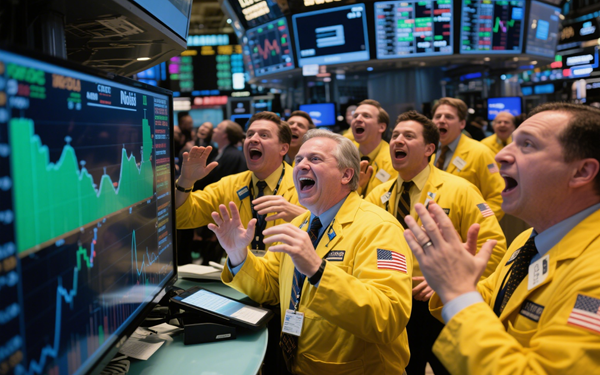
However, Graham’s parable carries a critical warning for participants themselves: while one should aim to profit from Wall Street’s exuberance, it is equally vital to avoid getting caught up in it. When prices are rising, the temptation to follow the bullish crowd like lemmings is powerful—and this is the root cause of the repeated meme stock boom-and-bust cycles.
Graham, often called the father of fundamental analysis, advocated for deeply examining a company and its financials before investing. The goal is to determine the intrinsic value of a business and then compare it to the price Mr. Market is offering.
For the original meme stocks like GameStop and AMC, the underlying business story was, and remains, weak. The initial price surges were driven not by fundamentals but by emotionally charged excitement—investors eager to “get in on the action” were willing to pay almost any price. The subsequent steep declines provided clear evidence that the fundamentals could not support such incredible valuations.
Graham succinctly captured this dynamic with his famous observation: in the short run, the market is a “voting machine,” where popularity often trumps actual business value. But in the long run, it is a “weighing machine” that properly assesses value. Beyond Meat’s recent slide following its brief rally is just the latest validation of this principle.
While one can dissect the individual stories behind each meme stock, doing so risks missing the larger picture. Simply put, allowing emotions to drive investment decisions leads to poor outcomes.
For decades, legends from Benjamin Graham to his most famous student, Warren Buffett, have reiterated a simple yet profound truth: successful investing does not require superior intelligence, but rather the right temperament—the ability to keep emotions in check. Heeding this invaluable advice can save investors from learning the hard way by gambling on high-risk meme stocks.
Amid the periodic noise of meme stock mania, the true path to investment success remains clear: it begins with mastering the impulses within.