
1911 Gold Corporation (TSXV: AUMB; OTCQX: AUMBF)
1911 Gold is Manitoba’s Gold Standard - Ready, Permitted and High-Grade 1911 Gold is an Emerging Gold Producer, with Significant Cash Flow Generation and District-Scale Growth Potential
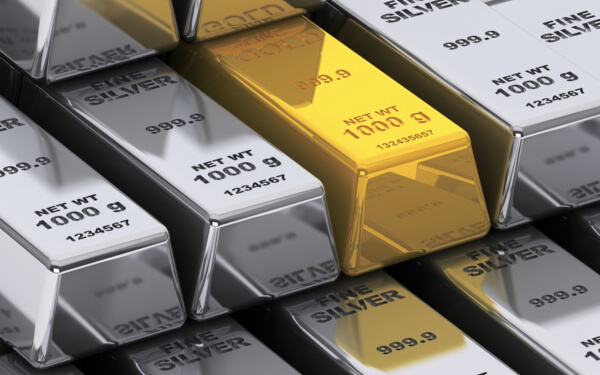
Precious metals gold and silver experienced slight pullbacks on the final trading day of 2025 but still achieved their most impressive annual gains in over 45 years. As of the afternoon of December 31st, New York time, spot gold prices hovered around $4,322 per ounce, marking an approximate year-to-date increase of 65%; spot silver traded around $71.44 per ounce, skyrocketing over 144% for the full year. Both gains represent the highest annual records since 1979.
Three Pillars Supporting the Epic Rally
The 2025 surge in precious metals was driven by multiple macroeconomic forces. First, escalating geopolitical risks fueled strong demand for safe-haven assets. Second, the Federal Reserve’s interest rate cut cycle provided crucial support for the non-yielding asset, gold. Third, the so-called “debasement trade” – deep-seated market concerns over resurgent inflation and mounting debt burdens in developed economies – injected core momentum into this fiery rally.
In the substantial gold market, these factors prompted investors to pour into physically-backed gold Exchange-Traded Funds (ETFs), while global central banks continued their multi-year buying spree. Gold prices surpassed their inflation-adjusted peak from 45 years ago in September and broke through the $4,000 per ounce barrier for the first time in early October.
John Reade, Chief Market Strategist at the World Gold Council and a market veteran, remarked, “In my career, this is unprecedented. It’s unprecedented in the number of new highs reached, and unprecedented in how gold’s performance has far exceeded so many people’s expectations.”
Silver: Dual Drivers of Safe-Haven Appeal and Industrial Demand
Silver’s performance was even more dazzling, with gains far outstripping gold’s. This was driven by both speculative buying and a solid foundation of industrial demand. Silver is widely used in electronics, solar panels, and electric vehicles. In October, spurred by tariff concerns leading to significant silver flows into the United States, the London market experienced tight supply and a historic short squeeze, pushing silver prices to a record high at the time. Subsequently, in November, US rate cuts and speculative fervor drove prices to new highs again, briefly breaching $80 per ounce earlier this week, which also reflected robust buying from the Chinese market.
Ross Norman, CEO of the pricing and analysis website Metals Daily, noted, “The key driver this week has been the CME raising margin requirements for the second time in just a few days. The higher collateral requirements are cooling the market off.” Some speculators may be forced to reduce or exit their positions as a result, putting pressure on prices.
The 2025 enthusiasm wasn’t limited to gold and silver but extended across the broader precious metals complex. Platinum broke out of a multi-year consolidation pattern to hit a new high. Due to supply disruptions in major producer South Africa, the platinum market is expected to be in deficit for the third consecutive year. Supply is likely to remain tight until there is clarity on whether the Trump administration will impose tariffs on platinum and silver.
Charu Chanana, Market Strategist at Saxo Markets Singapore, summarized, “The surprise of 2025 has been how safe-haven metals have transformed into momentum trades – especially silver.”
Despite ending the year with volatility, 2025 will undoubtedly be remembered as an extraordinary year for the precious metals market. Through a year-long “blitzkrieg,” gold and silver have reasserted their unique position in an era of global financial and political uncertainty.