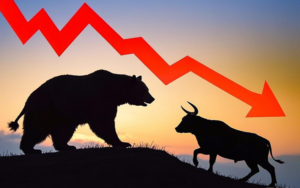

UnitedHealth Group (NYSE: UNH), a titan in the U.S. health insurance sector, has long been viewed by investors as a steady performer. However, 2025 has proven to be a turbulent year for the stock. As of December 30, shares have plunged approximately 34% year-to-date, a decline rooted in what appears to be a “grey area” of uncertainty surrounding its business operations.
The turmoil began in May 2025 when the company reported its first quarterly earnings miss in over a decade. In a rare subsequent move, UnitedHealth suspended its full-year profit forecast. Management blamed unexpectedly high medical costs, citing increased doctor visits and surgical procedures that led to higher-than-anticipated insurance claim payouts. With visibility into future cost trends limited, the company withdrew its guidance—a major red flag that triggered the stock’s sustained sell-off.
A potential turning point, however, is on the horizon. UnitedHealth is scheduled to release its full-year 2025 results, and more critically, its 2026 financial guidance, before the market opens on January 27. This event is seen by the market as a crucial opportunity for the company to clear the air and rebuild confidence in its profitability and long-term growth prospects.
Analysts suggest investors focus on three key metrics in the upcoming report:
Despite the steep decline, which has brought UnitedHealth’s price-to-earnings ratio down to around 17, making it appear attractive, most analysts recommend a wait-and-see approach. The prevailing advice is for investors to hold off on buying shares until after the January 27 report. If the company can provide clear and positive forward guidance, its current valuation could present a compelling entry point for long-term investors.
As the key date approaches, UnitedHealth stands at a crossroads, seeking to reshape the market narrative and regain investor trust. The success or failure of this earnings release will be pivotal in determining whether the clouds over its stock price can finally begin to part.