
American Tungsten Corp. (TSXV: TUNG, OTCQB: DEMRF)
Building America’s Defense Critical Metals Supply
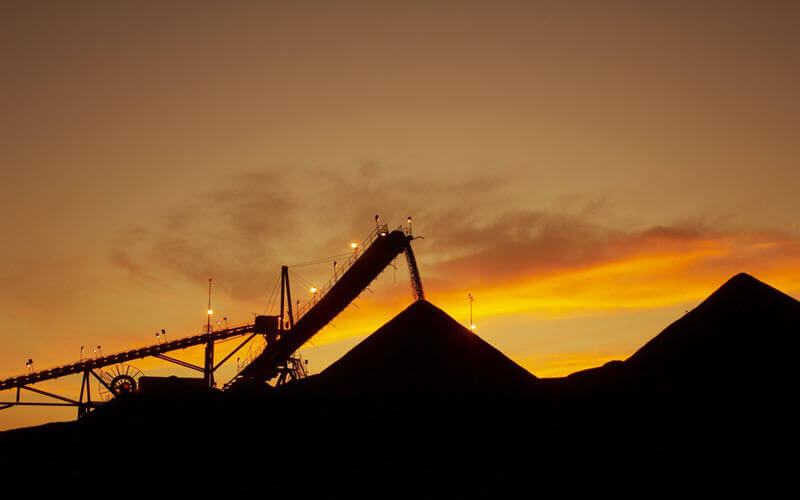
Coal, once the energy pillar that powered American industrial growth and illuminated thousands of cities, is irreversibly heading towards the margins of history. Although the transition won’t happen overnight, the data clearly reveals this trend: coal power once accounted for over half of the U.S. electricity generation mix, now stands at only 17%, and by 2035, this share could shrink to 7%. This is not a cyclical fluctuation but a profound structural transformation, completely rewriting the investment logic within the U.S. energy sector.
Forecasts indicate that by 2026, U.S. coal-fired power generation will decline by an additional 7%. Behind this are three converging forces.
First, the vast fleet of U.S. coal power plants is showing its age. Most plants have been operating for decades, and for power companies, completely replacing aging units is often more economical than keeping them running. Second, the shale gas revolution has fundamentally altered the economics of power generation. Abundant and relatively cheap natural gas provides the grid with a far more flexible alternative than coal. Finally, solar and wind power have evolved from niche players to the lowest-cost sources of new electricity generation in the U.S. Their continuously expanding cost advantages are directly translating into an accelerator for coal plant retirements.
The interplay of these three factors has significantly weakened coal’s position in the U.S. energy landscape. And as the rapid development of battery storage technology enters the fray, coal’s traditional value proposition as baseload power is further losing its appeal.
In some regions, power companies are finding that the “solar-plus-storage” combination is already capable of directly competing with existing coal plants. When replacing an existing coal plant becomes cheaper than continuing to operate it, the retirement process naturally accelerates. Battery storage not only complements renewable energy but also amplifies its impact, effectively dismantling the final structural barrier that sustained coal for decades.
In the past few years, significant cost reductions in battery energy storage systems are accelerating this process. According to data, in 2025, the global benchmark cost for a four-hour battery storage project fell by 27% year-on-year to $78 per megawatt-hour, the lowest level since records began in 2009.
Although it will take several more years for battery storage systems to achieve widespread adoption and substantially erode coal’s position, the fuse has been lit. Just as investors previously created immense wealth during the era when coal dominated the energy landscape, new wealth creation opportunities now lie in the future of energy – solar, wind power, and particularly battery storage systems.
Currently, key players in the battery storage sector include Tesla (TSLA), Fluence Energy (FLNC), and BYD (BYDDY). As technology advances and costs continue to fall, this list is set to expand. Coal, once a reliable and steadfast energy source, can no longer compete in the modern energy economy. This is not to diminish coal’s significant contribution to the global energy economy, but the march of history is unstoppable. For investors who choose to avoid emerging energy technologies and cling to the declining coal industry, they will ultimately miss out on a monumental energy investment opportunity.