Only 3 Months of Platinum Left – Is a Surge Coming?
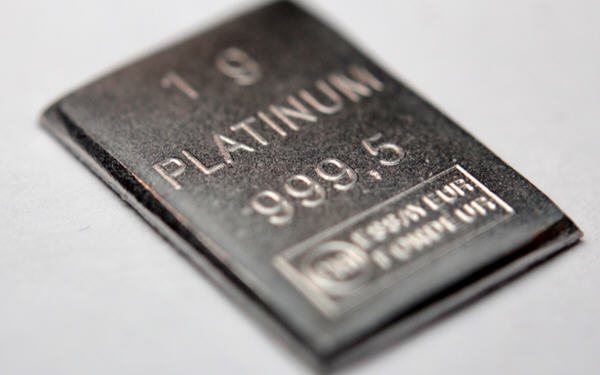
Despite recent price consolidation below $2,000 per ounce, the platinum market is sending increasingly bullish signals. The World Platinum Investment Council (WPIC) and UK-based research firm Metals Focus both point to a structural tightening in the platinum market – a trend that has yet to be fully reflected in prices.
Supply side continues to contract, above-ground stocks approach dangerous levels
According to the latest WPIC data, the platinum market is heading for its fourth consecutive annual deficit in 2026, with supply falling short of demand by 297,000 ounces. More alarmingly, global above-ground stocks are forecast to decline to just 1.747 million ounces by year-end – equivalent to less than three months of global demand coverage. Edward Sterck, Director of Research at WPIC, cautioned that rebuilding these inventory levels would require several years of significant surpluses. Yet the opposite is happening: mine supply remains largely flat, South African output is slow to recover, and North American production continues to decline.
Metals Focus further projects that global platinum mine supply will fall another 2.2% in 2026, while recycling – despite an expected 9% increase – will still fail to fill the gap. The persistent drawdown of inventories is already reflected in elevated forward premiums and high lease rates, the clearest evidence of physical tightness.
Demand resilience exceeds expectations, investment and industrial sectors drive growth
Concerns over platinum demand have centred on the automotive sector – will rising EV penetration undermine catalytic converter demand? However, data suggests the impact is far smaller than feared. Hybrid vehicles and heavy-duty diesel trucks continue to support platinum consumption, with automotive demand expected to fall only 2% in 2026.
What is truly eye-catching is the robust growth in investment and industrial demand. The WPIC forecasts that platinum bar and coin investment will surge 27% in 2026 to a six-year high of 718,000 ounces. Meanwhile, industrial demand is projected to rise 9%, driven by glass manufacturing capacity expansions and the production of specialty crystals for AI infrastructure. Metals Focus also highlights that China alone consumed an estimated 250,000 ounces of platinum last year for crucibles used in AI-related equipment – metal that is difficult to recycle.
Investment sentiment shifts: from following gold to active allocation
Platinum has long been seen as a “sidekick” to gold, but the logic is now changing. Amid rising concerns over global debt and currency debasement, investors are looking for real assets outside the US dollar. Sterck notes that within the entire precious metals complex, platinum has the tightest supply-demand fundamentals, making it the most sensitive to the “de-dollarisation” macro theme.
Furthermore, the launch of platinum futures on the Guangzhou Futures Exchange in China is seen as a game-changer for domestic price discovery and market structure. Wilma Swarts, analyst at Metals Focus, said platinum’s re-rating last year was driven as much by strategic stockpiling and its correlation with gold as by tightening physical fundamentals. Geopolitical risks – such as the US-Iran conflict – further reinforce platinum’s value as a strategic metal.
Conclusion: long-term trend intact, pullbacks may offer entry opportunities
In the near term, platinum prices are subject to profit-taking and market sentiment swings. But the three drivers – persistent supply deficits, historically low above-ground inventories, and accelerating investment demand – remain unchanged. Compared with gold, platinum not only possesses monetary attributes but also offers irreplaceable industrial uses and a much tighter physical structure. For investors concerned about the erosion of fiat currency purchasing power, platinum is emerging as a defensive yet flexible allocation choice.
Interest Rate
Mining
Platinum
Precious Metals