
Pinnacle Silver & Gold Corp (TSXV: PINN)
Building a New Americas-Focused Silver and Gold Company
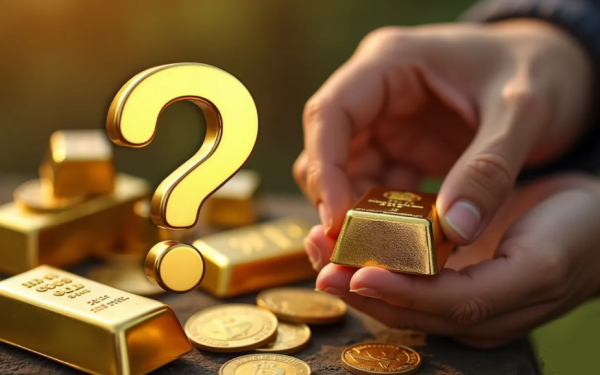
Goldman Sachs has cut its end-2026 gold price forecast by $500 an ounce, as a hawkish policy shift at the Federal Reserve erodes the appeal of non-yielding bullion and deepens a selloff that has erased 27% of the metal’s value from this year’s record peak. The sharp downgrade has ignited fierce debate across commodity markets over whether gold’s multi-year bull run has run its course.
After surging to an all-time high near $5,600 an ounce in January, gold has unwound those gains to trade around $4,100, notching three consecutive monthly losses between March and May and leaving prices down 4% year-to-date. The rout has accelerated as traders abandon bets on imminent Fed rate cuts and instead price in additional monetary tightening to tackle persistent inflation.
The Wall Street bank lowered its 2026 year-end target to $4,900 an ounce from $5,400 — a level it had defended even as Middle East geopolitical turmoil roiled markets in March. While the updated forecast still implies a second-half rebound for bullion, the scale of gains is set to be far more muted than previously projected.
“Our gold price views remain structurally constructive but tactically cautious, with near-term downside risk and medium-term upside risk,” analysts Lina Thomas and Daan Struyven wrote in a Friday research note.
Should the Fed follow through with a rate hike, Goldman warned its year-end forecast could drop a further $500 to $4,400 an ounce, as demand for gold as a macro policy hedge unwinds more persistently.
The revision lands just days after Fed Chair Kevin Warsh’s first policy meeting in the role delivered a surprisingly hawkish jolt to markets. In his debut press conference, Warsh made restoring price stability the centerpiece of his agenda, a clear signal that rate increases are back on the table.
Traders now price in an 87% chance of a December rate hike, according to the CME FedWatch Tool — a steep jump from 61% ahead of the Fed decision. Goldman’s economics team has pushed back its call for the first rate cut to June 2027, with a second reduction in December that year, delaying timelines previously set for December 2026 and March 2027. It also expects inflows into gold-backed exchange-traded funds to slow as higher-for-longer rates take hold.
Rob Kaplan, vice chairman at Goldman Sachs and former Dallas Fed president, amplified that warning this week, saying the central bank may need to raise rates as soon as September if inflation remains elevated.
Yet the deepening pullback has split Wall Street, with some firms leaning into the selloff as a buying opportunity.
Société Générale is telling clients to “buy the dip,” lifting its gold allocation to 10% for the third quarter from 7% previously as part of a record 20% overall commodity weighting in its multi-asset portfolio. The French bank argues the Fed will ultimately hold off on hiking rates this year, staying behind the inflation curve and keeping demand for inflation hedges firm.
It sees gold starting to recover in the fourth quarter, climbing back to $5,000 an ounce by the second quarter of 2027 and notching fresh record highs later that year. The core pillars of gold’s rally — currency debasement, deteriorating fiscal positions and geopolitical fragmentation — have not changed, its strategists said, while steady central bank buying provides a durable floor. Official sector purchases are running at 50 tons a month this year and are set to average 40 tons a month in 2027, driven by de-dollarization and reserve diversification.
Beyond tactical allocation calls, veteran investors argue the foundational drivers of gold’s multiyear rally remain unshaken, even as near-term rate pressure dominates trading.
Axel Merk, founder and CEO of Merk Investments, pushed back against the narrative that a hawkish Fed spells the end of gold’s bull market. In his view, Warsh’s push to scale back the Fed’s reliance on forward guidance — and let market prices do more of the signaling work — will reduce policy-driven volatility rather than crush bullion. Years of overcommunication and explicit policy signaling from the central bank have distorted markets and amplified swings, he argued.
“Everything else equal, Kevin Warsh is a headwind to the price of gold,” Merk said. “But I actually think it’s going to reduce volatility, which should be seen as a positive.”
As monetary policy uncertainty fades, investors will refocus on the U.S.’s unsustainable fiscal deficits and mounting debt load — the structural forces that underpin gold’s long-term value as a purchasing power hedge, according to Merk. He added that the recent tight correlation between gold and oil prices, stoked by Middle East tensions, will likely break down, removing another near-term headwind.
“You don’t own gold just because of opportunity costs,” he said. “It’s about preservation of purchasing power.”
For now, the threat of higher interest rates remains the dominant force weighing on gold, with many analysts warning prices could retest support near $4,000 an ounce. But with central bank demand steady and U.S. fiscal imbalances unresolved, the debate over gold’s bull market is far from settled — with the Fed’s upcoming policy moves and inflation’s trajectory set to be the deciding factors.