Aluminum’s Ascent: Cost and Weight Advantages Drive Historic Shift Away from Copper in Auto Sector
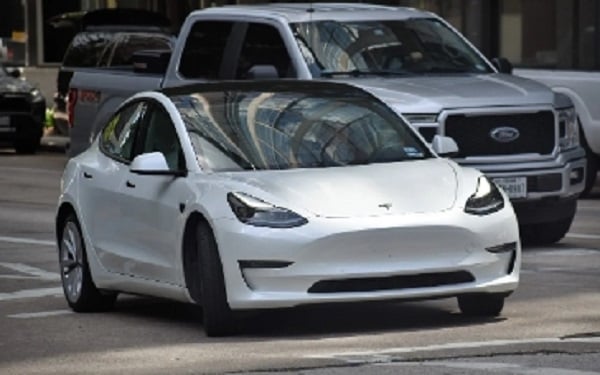
With copper prices remaining persistently high and the electric vehicle industry’s relentless pursuit of lightweighting, a major wave of metal substitution—from copper to aluminum—is sweeping through the global automotive and supply chain sectors. Following Tesla and Chinese EV manufacturers’ early adoption of aluminum wiring harnesses, European luxury brands including Ferrari and BMW have recently confirmed their entry into this camp, marking the transition of this trend from a cost-driven calculation to a reshaping of industry technical standards.
The Tipping Point of Price and Performance
The structural rise in copper prices is the immediate catalyst accelerating substitution. Data shows that LME copper futures approached an all-time peak of nearly $15,000 per ton in January 2026, and despite a recent pullback, prices remain more than 4.2 times higher than aluminum. This exorbitant copper price makes aluminum—which offers comparable performance at just one-quarter of copper’s cost (currently around $3,100 per ton)—highly attractive. JPMorgan projects that approximately 2% of global copper demand will be substituted by aluminum in 2026, with that share potentially rising to 6% by 2030.
Lightweighting Becomes the New Battleground for EVs
For electric vehicles, weight reduction translates directly into extended range, elevating aluminum’s lightweighting advantage beyond pure financial considerations. Ferrari has revealed that adopting aluminum cables in its 296 hybrid model and its first all-electric model, the Luce, delivers up to 20% savings in overall wiring harness weight. BMW, which first experimented with aluminum in its 1 Series as early as 2011, has now deployed aluminum conductors at scale in its latest eDrive electric technology. Stellantis has also recently been confirmed to have begun following this transition.
China’s Supply Chain Goes All In
As the world’s largest metals consumer, China—driven by policy initiatives and brutal price competition—is moving at a particularly aggressive pace. Chinese EV parts supplier JONVER has seen its aluminum wiring harness product sales surge from roughly 20% of total revenue in 2023 to approximately 30% in 2026. Consultancy firms project that by 2030, some 25%–30% of copper components in power, automotive, and home appliance sectors could be replaced by aluminum. Chinese brands including Avatr, Xpeng, and Xiaomi have all adopted aluminum wiring technologies, benchmarking against Tesla‘s industry-leading standards established with the Model Y since 2019.
Limitations and Outlook
Despite the clear momentum, aluminum still lags behind copper in electrical conductivity, while its energy-intensive production process poses emissions challenges. Nevertheless, with structural supply shortages and green energy demand providing long-term support, expectations of persistently high copper prices are forcing manufacturers to rebalance performance, environmental considerations, and cost. As industry giants including Norsk Hydro and Nexans accelerate their capacity expansion, the aluminum-for-copper shift has evolved beyond a simple material replacement into an inevitable pathway for global manufacturing to navigate resource constraints.
Aluminum
Base Metals
Copper
Electric Cars