
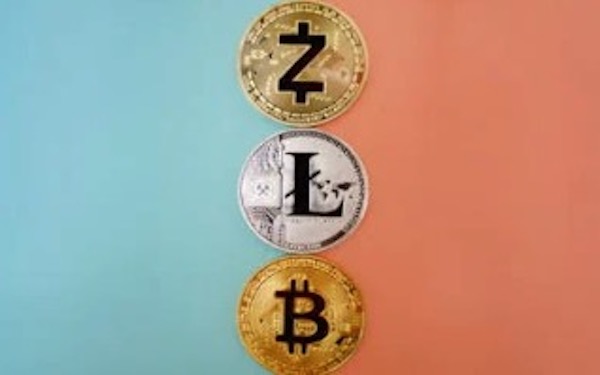
Since the beginning of 2026, the overall heat in the cryptocurrency market has cooled significantly, with the flagship token Bitcoin (BTC) posting a cumulative decline of approximately 27% year-to-date. However, for the world’s largest digital asset by market capitalization, there remain some cautiously optimistic reasons. Bitcoin’s current market cap stands at about $1.3 trillion, and as the leader in the crypto space, it still stands to gain the most from industry-related developments.
Despite its struggled performance this year, Bitcoin has recently shown signs of stabilizing and may soon encounter potential catalysts. Is now the right time to increase Bitcoin holdings?
Earlier this month, Bitcoin briefly dipped below the $60,000 mark, but quickly rebounded and rallied. Since then, the cryptocurrency has remained steady and even edged slightly higher, trading back above $64,000 on Monday this week. For cryptocurrency investors, price stability above $60,000 is a positive signal, suggesting that strong support may exist near that level.
In addition to technical stabilization, Bitcoin and the broader crypto market may also benefit from a positive catalyst—the potential passage of the Clarity Act. The bill has already moved to the Senate review stage and could pass as early as this summer. The Clarity Act is regarded as key legislation for the cryptocurrency sector, as it would establish a regulatory framework for digital assets and cryptocurrencies. Improved regulatory clarity could lend legitimacy to the industry, which in turn may attract more investment, particularly from large institutional investors.
Although Bitcoin has remained relatively stable recently, this does not necessarily mean its investment safety has improved. Bitcoin’s valuation remains highly speculative and may only be suitable for investors with a higher risk tolerance.
If the review of the Clarity Act is delayed, it could trigger a new wave of bearish sentiment, potentially driving cryptocurrency prices further down. Predicting the direction of government reforms is nearly impossible, and if an investment’s value heavily depends on such events, it may suggest that the best course of action is to stay on the sidelines.
Bitcoin may currently hold above $60,000, but that does not mean it has bottomed out. The asset is a high-risk component within any portfolio. Even if one wishes to allocate a small portion for diversification purposes, it should only represent a modest fraction (e.g., less than 5%) to ensure overall risk levels do not become excessive.
Bitcoin’s staunchest supporters believe it will eventually become a global reserve currency. Meanwhile, skeptics argue this is unlikely. But in terms of historical patterns, cryptocurrencies do have a certain advantage.
From the Roman denarius to the modern British pound, all historical reserve currencies have eventually ceded their leadership position. To date, no fiat currency has ever survived indefinitely without being replaced. This trend typically emerges alongside excessive money issuance and debt burdens, which in turn fuel high inflation and erode purchasing power. When trust is lost, it opens the door for challengers to rise.
Can Bitcoin become the world’s digital reserve currency? Anything is possible, especially in an era where the economy is increasingly driven by technology and the internet against the backdrop of artificial intelligence.
Although it is difficult to assign a precise probability to this scenario, and the dollar’s dominance cannot be overlooked, the wisest investors may still consider the possibility of Bitcoin’s success and allocate accordingly.
In summary, Bitcoin has shown some support above the $60,000 level in the near term, and potential regulatory tailwinds could serve as short-term catalysts. However, its high volatility and policy uncertainties remain significant, and investors need to thoroughly assess their own risk tolerance and make prudent decisions. In the long run, whether Bitcoin can replicate the historical succession pattern of reserve currencies remains to be seen.