

Algo Grande Copper Corp. (TSXV: ALGR)
High-Grade Copper in North America
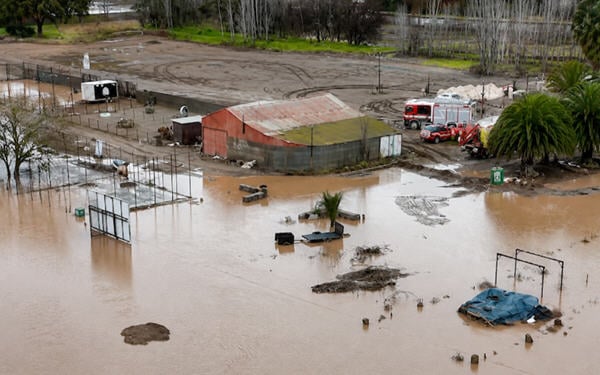
Chile has been hit by an unusually severe winter storm since July, with heavy rainfall and unusually heavy snowfall at high altitudes persistently pounding the country’s northern mining regions. The extreme weather has triggered flash floods, road closures, and damage to power infrastructure, putting the world’s largest copper-producing nation under an unexpected test.
The most closely watched impact came from Canada’s Lundin Mining, which suspended operations at its Caserones copper-molybdenum mine on July 18 after heavy snowfall disrupted power supplies. Subsequent assessments confirmed damage to two transmission towers, with repairs and a return to full operations estimated to take approximately two to three weeks. Bloomberg Intelligence estimates the outage could result in a production loss of around 10,000 tonnes of copper. At the nearby Candelaria mine, operations were briefly affected by heavy rainfall, but the mill continued to run using existing ore stockpiles; mining activities have since returned to full capacity.
Antofagasta’s Los Pelambres operation experienced an orderly shutdown lasting approximately five days before resuming production on July 23, with equipment and critical infrastructure suffering no major damage. The company’s full-year production guidance of 650,000 to 700,000 tonnes remains unchanged. State-owned Codelco activated precautionary measures across multiple mines, including El Teniente, while Barrick Mining went as far as evacuating workers from its northern camp by helicopter. Teck‘s Carmen de Andacollo plant partially suspended operations on July 17 due to road closures.
Yet the true significance of this weather event lies in its role as a “stress test” for the global copper market. Many analysts point out that while extreme weather itself remains within the realm of short-term disruption, its timing is highly sensitive. Andrés González, head of mining industry analysis at Plusmining, noted that production halts would exacerbate already tight market conditions, particularly in the global copper concentrate market, though the overall impact is expected to remain relatively contained. Juan Ignacio Guzmán, CEO of GEM Mining Consulting, cautioned that such climate events should not be viewed in isolation — Chilean miners increasingly must manage drought, flooding, snow, power outages and logistics failures as part of routine operations.
More alarming, however, is the structural backdrop. Jefferies estimated this month that among miners representing approximately one-fifth of global supply, copper production fell nearly 10% year-over-year in the latest quarter, raising the probability of significant market deficits over the coming year. ICSG data shows that global copper concentrate production growth has consistently underperformed expectations for several consecutive years. At the same time, demand driven by AI data centers, electrification, and the energy transition continues to accelerate.
Declining ore grades are steadily eroding supply flexibility. Analysis from SMM indicates that head grades at major mines such as Escondida, Collahuasi, and Centinela are expected to decline by 10% to 15% in 2026. Even with increased throughput, copper concentrate production is struggling to keep pace, while unit costs are rising non-linearly. This suggests that even after weather conditions normalize, the mining sector lacks the capacity for rapid production increases to compensate for any supply gaps.
Citi maintains its year-end copper price target of US$15,000 per tonne, citing Chile and sulfur supply as key variables. Inventories at both the London Metal Exchange and the Shanghai Futures Exchange continue to decline, spot premiums remain elevated, and the signal of tightening mine supply is already clearly priced into the curve.
Whether Chile’s deadly storm will ultimately alter the copper market’s trajectory depends on the duration of the disruptions and the evolution of weather conditions in the coming days. As of July 28, the government expects storm impacts in the high Andes to persist into early August. What the market truly needs to monitor is not just the timeline for mine restarts, but the increasingly narrow margin for error in the global copper supply system as it faces growing climate-related vulnerabilities.