
Kirkland Lake Discoveries Corp (TSXV:KLDC, OTC:KLKLF)
District-Scale Exploration in World-Famous Gold Camp
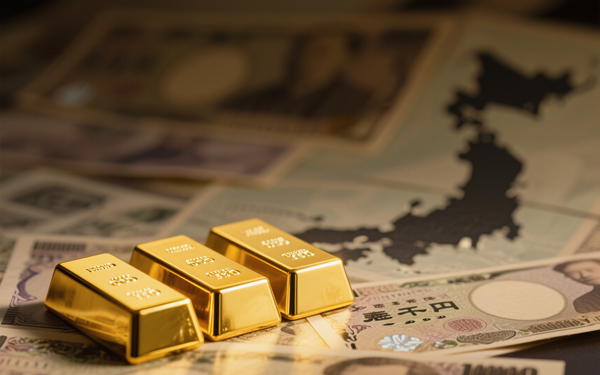
Hedge fund bearish sentiment toward the Japanese yen has risen to its highest level since 2007. As of June 30, leveraged funds held approximately 138,000 net short futures and options contracts on the yen. The currency has fallen to around 162 per U.S. dollar, its weakest since 1986, while gold is trading near $4,126 an ounce — significantly higher than the roughly $2,400 level seen during the last carry-trade unwind in August 2024.
For commodity investors, these three data points tell a single story: the most crowded yen short position in nearly two decades has been rebuilt, and gold is now trading at a vastly different price level than it was during the previous crisis.
A “Time Bomb” Driven by Interest Rate Differentials
The trading logic itself is straightforward. The Bank of Japan raised its policy rate to 1% in June — a 31-year high — but the Federal Reserve has held its benchmark rate at 3.50%–3.75% for four consecutive meetings. Borrowing cheap yen to fund higher-yielding dollar assets remains profitable, and money continues to flow into the trade.
Japan has pushed back aggressively. The Ministry of Finance spent a record ¥11.73 trillion (approximately $72.7 billion) on intervention between late April and late May, but it failed to halt the yen’s slide — the currency subsequently fell to 162. In a July 7 report, Bank of America warned that yen short positions are now close to the levels seen in July 2024, and identified three potential catalysts that could trigger a short squeeze: large-scale foreign exchange intervention, a reversal of the AI-driven rally, or a policy shift.
Lessons from August 2024: Sold First, Then Bought Back
August 5, 2024, is the most recent and relevant precedent. On that day, the Nikkei 225 plunged 12.4% — its worst single-day drop since 1987 — while the VIX volatility index spiked to 65.73.
Gold was sold first. On August 2, driven by weak U.S. jobs data, gold climbed to an intraday high of $2,476 an ounce. Three days later, it plunged more than $100 to around $2,367. Nothing about gold’s fundamentals had changed — it fell because it was the most liquid asset in leveraged portfolios. When funds faced margin calls denominated in yen and needed to raise cash quickly, they sold whatever was most tradable, and gold always has a bid. The same mechanism sent Bitcoin down as much as 17% intraday and dragged major tech stocks, including Nvidia, into the liquidation.
Then the market began to diverge. Safe-haven buying returned before the close, and gold finished August 5 back above $2,400 — a complete round trip within a single trading session. Silver, carrying both monetary and industrial demand, fell harder than gold in the flush. Copper and crude oil, priced off growth expectations rather than safety, were sold off alongside equities and did not receive gold’s late-day bid. The crisis ended on August 7, when the Bank of Japan’s deputy governor pledged not to raise rates further while markets remained unstable. The Nikkei rebounded 10.2% the following day, and the VIX had fallen back below 20 by August 12.
What Investors Should Watch
The 2024 trigger was a combination of two events: a BOJ rate hike and a weak U.S. jobs report in the same week. Over the next two weeks, the calendar has stacked the same ingredients once again — the BOJ meets on July 30–31, and the U.S. jobs report lands that same week.
A disorderly unwind would likely hit gold first and hardest in the opening hours, precisely because it is the easiest thing to sell — and last time, that decline proved mechanical rather than fundamental. Historically, silver should be expected to trade worse than gold in a flush, copper worse still, and mining equities will amplify the direction of whichever way metal prices break.
This newly rebuilt short position, comparable in size to 2007 levels, is betting that calm will hold through August. The last time such a crowded position unwound, the entire commodity complex was repriced within three days — and gold was the only thing that finished the week where it started.