Tesla (TSLA) shares closed at $322.08, up 3.49%, pushing the electric-vehicle maker’s market capitalization to $1.3 trillion. Based on expected earnings of $2.23 a share next year, the stock now commands a forward price-to-earnings ratio of 140. The S&P 500, by comparison, trades at just 21 times forward earnings.
Markets have always been willing to pay a premium for a powerful growth narrative. In the late 1990s, Amazon and Cisco soared to extreme valuations and eventually delivered the explosive expansion needed to justify them. But the same script does not always play out. Groupon, GoPro, and Blue Apron all fetched rich multiples before flaws in their business models became painfully clear. For Tesla to avoid that fate, it must deliver on five interconnected fronts. Together, they form the entire foundation for today’s premium price.
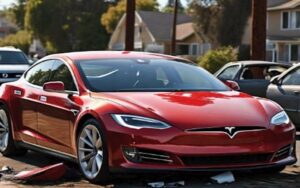
First, Tesla must remain a dominant force in the transition from combustion engines to electric vehicles. BYD delivered 557,090 battery-electric vehicles last quarter, ahead of Tesla’s 480,126. A global market can accommodate more than one giant, but the wider question is the pace of adoption. The International Energy Agency reports that EV sales worldwide exceeded 20 million last year—roughly one in every four cars sold, a 20% increase from the prior year. Headwinds are building, however. BloombergNEF projects global EV demand growth will slow to 11% in 2026, reaching about 23 million units, with most of that growth concentrated in China, a market where Tesla has been losing competitiveness. In the United States, still Tesla’s largest single market, second-quarter sales dropped 20% year over year to just 114,629 vehicles. The overarching trend toward electrification must not stall.
Second, the full self-driving subscription business has to win over far more owners. The feature is now available only through a $99 monthly fee. Roughly 1.5 million owners—about 15% of the total Tesla fleet—have signed up. A record 200,000 new subscribers were added in the most recent quarter, but that still leaves a vast gap to the threshold of at least 10 million FSD subscribers embedded in Elon Musk’s multibillion-dollar compensation package. If penetration climbs meaningfully, this high-margin revenue stream would fundamentally reshape the company’s profit profile.
Third, the robotaxi venture must become a real, scaled operation. Last month Tesla expanded its robotaxi service to Orlando and Tampa, bringing the total number of active cities to seven—still far short of the vision Musk sketched out when he first unveiled the initiative in 2024. Goldman Sachs estimates the global robotaxi market could be worth more than $400 billion by 2035. Capturing even a fraction of that opportunity would create substantial value, but Tesla first needs to fully establish itself in that market.
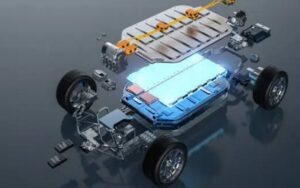
Fourth, the clean-energy division must evolve into a meaningful profit center. Solar panels, solar roofs, and battery storage generated $3.1 billion in revenue last quarter, accounting for roughly one-tenth of total sales. Technavio expects the U.S. residential solar market to grow at an average annual pace above 13% through 2030, reaching a value of more than $30 billion. Wood Mackenzie believes over 70 million American homes could feasibly install solar within the next 25 years. The long-term picture is compelling, but the business has a long way to go before it becomes a major earnings driver.
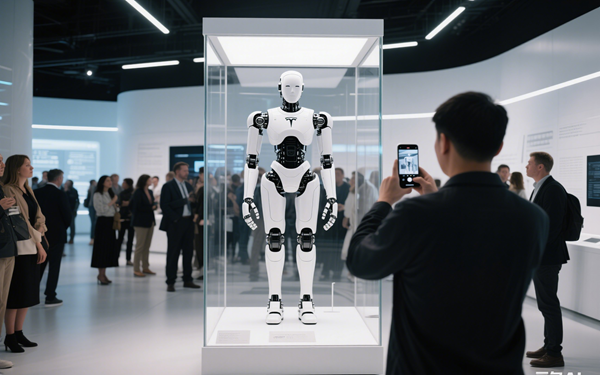
Fifth—and most critical—the AI-powered humanoid robot Optimus must live up to the monumental expectations Musk has set. He has repeatedly described Optimus as “the biggest product ever, of any kind.” Morgan Stanley forecasts the global population of humanoid robots could hit 1 billion by 2050, pointing to a total addressable market of $5 trillion. Yet Adam Jonas, the firm’s head of global autos and shared mobility research, cautions that adoption will remain slow until the mid-2030s, with acceleration only arriving in the late 2030s and 2040s. Today’s stock price bakes in an assumption that Optimus will achieve a commercial launch around 2027. A significant delay would give competitors time to catch up and could erode the optimism currently embedded in the valuation.
The five stories are interlocking. Electric vehicles provide the foundation. Full self-driving subscriptions and robotaxis shape the software ecosystem’s potential. Energy points toward a long-term second act. And Optimus carries the possibility of a valuation rerating that transcends the automotive industry altogether. At 140 times forward earnings, the market has already placed a sizable wager on a great deal of this future. Should any one of these narratives begin to crack, that premium will face a direct stress test.