
1911 Gold Corporation (TSXV: AUMB; OTCQX: AUMBF)
1911 Gold is Manitoba’s Gold Standard - Ready, Permitted and High-Grade 1911 Gold is an Emerging Gold Producer, with Significant Cash Flow Generation and District-Scale Growth Potential

Gold led major commodities in August with a 9.9% gain, outpacing crude oil’s 3.5% rise. Commodities as a whole climbed 6.2% during the month and are up 47.6% year to date. The metal’s strength was supported by softer U.S. economic data, a weaker dollar against major currencies, and continued gold purchases by central banks around the world. Many investors expected those trends to persist.
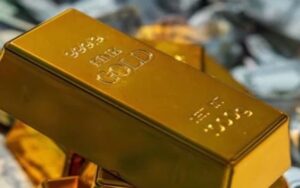
September has brought a sharp reversal. When London markets reopened after the summer break on Tuesday, gold fell to $4,327 per troy ounce, a two-week low and down 7.8% from the 15-week high set just a week earlier. The decline erased half of August’s rebound. Silver dropped to $64.28 per ounce, nearly $7 below the 10-week peak reached on Friday.
The immediate trigger was a surge in long-term interest rates. Japan’s 10-year government bond yield broke above 3% for the first time in three decades. The UK’s 30-year gilt yield climbed above 5.90%, the highest since 1998. Eurozone inflation accelerated to 3.3% year-on-year in August, the fastest pace in nearly three years. Market pricing now assigns a two-in-three chance that the Federal Reserve will raise its overnight rate on September 16, double the odds seen in mid-August. In his first speech at the Jackson Hole central banking symposium, the Fed chair said the goal is to bring PCE inflation down to 2%, roughly half the current pace.
Rising oil and food prices added to inflation concerns. Brent crude traded near $93 per barrel, up one-third from a year earlier, as U.S. airstrikes on Iran escalated tensions in the Middle East. Wheat prices jumped to their highest level since spring 2023 after Russia rejected a pause on attacks against Black Sea shipping and struck Ukrainian ports. Economists note that government bond yields are climbing worldwide. The energy shock and the threat of higher inflation are important factors, but a deeper reason is that governments are still spending as if interest rates were near zero.
The factors that supported gold in August—dollar weakness and central bank buying—have not reversed. But rapidly rising interest rates directly pressure non-yielding assets. Whether gold can be held further depends on whether the Fed’s actual policy path and upcoming inflation data confirm the rate-hike expectations. In the short term, the downward pressure on gold has not yet lifted.