
Kirkland Lake Discoveries Corp (TSXV:KLDC, OTCQB:KLKLF)
District-Scale Exploration in World-Famous Gold Camp
The United States federal debt crossed $40 trillion for the first time earlier this year. China’s central bank, meanwhile, has now bought gold for 23 consecutive months, adding roughly 23 tonnes in September — its largest monthly purchase in nearly three years. Analysts say the accumulation is aimed at reducing reliance on dollar assets and hedging against financial and geopolitical risk.
The Congressional Budget Office projected in February that federal debt held by the public would rise from 101% of the size of the US economy in 2026 to 120% in 2036. China holds a substantial amount of that debt, and should an economic crash occur, doubts about Washington’s ability to repay would only intensify — a backdrop that makes gold attractive as a less volatile, lower-risk holding than dollar-denominated assets.
Geopolitics adds another trigger. After Russia’s invasion of Ukraine in 2022, Western governments froze roughly $300 billion in Russian central bank assets held overseas, a stark reminder that reserves stored abroad can quickly become inaccessible. “China’s gold purchases are part of a broader effort to make its reserves more resilient,” said Thu Lan Nguyen, head of commodity research at Commerzbank. “Gold held domestically does not represent a claim on another country and is therefore much less exposed to sanctions or asset freezes.” She said she interprets the buying “primarily as risk management.”
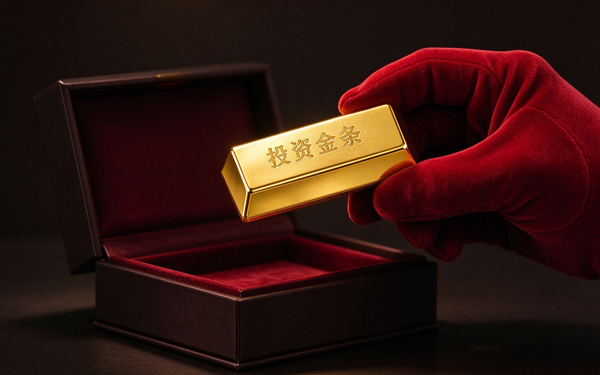
The central bank is not the only buyer. Purchases of gold bars and coins in China rose 28.4% year over year in the first half of 2026, according to the China Gold Association — and the buying has continued even as prices have fallen, with gold down about 8.5% over the month. The World Gold Council attributes the decline partly to a stronger dollar and higher returns on US government debt: bonds pay interest, making them more attractive to private investors than gold, which generates no yield.
Household motivations differ from those of the central bank. The World Gold Council points to weak Chinese share markets as one factor supporting domestic demand, while the property market — burdened by heavy borrowing and overbuilding, with housing prices falling — has become a poorer investment. When confidence in other assets weakens, gold grows more attractive as a way to hold savings. “Strong demand for gold can partly reflect a search for alternative stores of value,” Nguyen said.
China’s accelerating gold purchases reflect more than a desire to strengthen its reserves. They signal a growing reassessment of financial security, as geopolitical tensions, sanctions and uncertainty over the international monetary order push central banks to diversify beyond conventional reserve assets — Poland, Uzbekistan and Kazakhstan have also been accumulating bullion. For Beijing, gold is less a replacement for the dollar than an insurance policy against an uncertain international order.