
Prismo Metals Inc. (CSE:PRIZ)
A leadership team with a proven ability to explore, operate and develop precious metal discoveries.
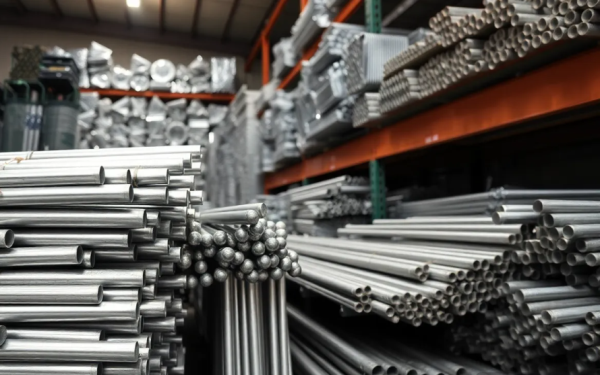
Metals rebounded on Friday, with copper snapping three days of declines, aluminum bouncing from its lowest close of the year and zinc jumping as much as 1.5%, as risk appetite returned after hotter-than-expected US inflation and a selloff in AI stocks rattled markets this week. Copper’s earlier losses had been driven in part by concern that Federal Reserve rate policy could cool demand for commodities.
US monetary policy has been a key driver of metal prices in recent months, but sector-specific factors are also in play. For copper, shifting expectations over US trade policy have had a dramatic impact: a huge flow of metal into the US ahead of possible tariffs tightened supplies elsewhere.
“Industrial metals will continue to post mixed performance, caught between a challenging macroeconomic backdrop and increasingly divergent commodity-specific fundamentals, with tighter monetary conditions to limit broad-based upside,” BMI, a Fitch Solutions company, said in a note.
Fed Chair Kevin Warsh said nothing in Bangkok on Friday to dispel expectations that the Fed will hold rates in October, easing bets on an imminent rate hike. Markets are still pricing in one quarter-point increase before the end of the year.
On the London Metal Exchange, copper rose 0.1% to $14,365 a ton as of 1:37 p.m. in New York, aluminum climbed 0.8% to $3,010 a ton, and zinc gained 0.6% to $3,685 a ton.
Citigroup said in a note that it is “near-term neutral” on copper and aluminum, seeing prices little changed from near current levels over the coming three months. “Positioning in both metals is elevated, with 2027 balances looking close to flat for copper and in surplus for aluminum amid stronger supply growth expectations for both metals into next year,” the bank said.
The rebound, in other words, looks more like a stabilization than a breakout: with inflation still clouding the Fed’s path and supply growth expected to accelerate, broader upside in metals is likely to remain limited even as risk appetite returns.