


Prismo Metals Inc. (CSE:PRIZ)
A leadership team with a proven ability to explore, operate and develop precious metal discoveries.
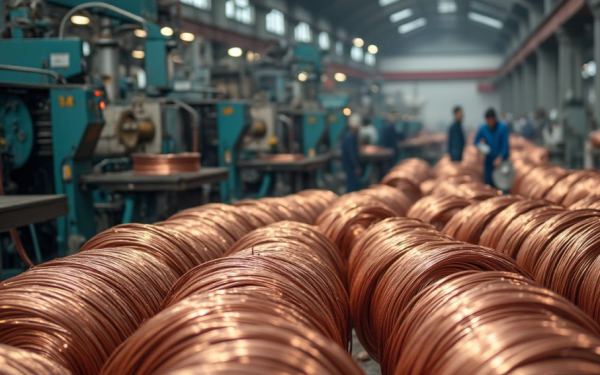
Copper tumbled into a technical bear market Friday, just ten weeks after notching a record high, as the unwinding of AI-driven bets, a firmer dollar and fading US tariff expectations outweighed persistent physical tightness in China, opening a stark divide between slumping futures and strained spot markets.
Comex copper for December delivery dropped as much as 3.4% to $5.4405 a pound, the lowest level since late March, before paring losses to a 2.4% decline by midday. The contract now sits 20.2% below its September 9 record settlement, meeting the common definition of a bear market — a drop of 20% or more from a recent peak. It has fallen for seven straight sessions, with a weekly loss exceeding 9%, the steepest such decline of 2026. A year-to-date gain that stood at 22% in September has flipped to a 2% loss, and copper is on track to end November roughly 15% lower. The selloff has rippled across global exchanges: three-month copper on the London Metal Exchange posted its biggest weekly drop since April 2025, while Shanghai futures notched their worst weekly performance in 15 years.
The pullback stems from a sharp reversal in market narratives and macro outlooks. The AI investment boom is losing steam, while the Federal Reserve is expected to take more aggressive action to curb inflation, and a rising dollar is adding further pressure to metals prices. Market analysts note the AI-driven boost to copper was likely overstated. Combined with softer Chinese demand and reduced odds of US tariff implementation, this week’s decline matches the scale of drops seen in the early pandemic period and after major tariff announcements. London copper is on course for its largest monthly fall since 2022.
Technically, copper has breached the first of two key chart support levels flagged by analysts — $5.63 a pound, the 2025 closing price. The second support lies at $5.32 a pound, just below the March low that marked the weakest close of 2026. Copper is now less than 3% away from that threshold, with downward momentum yet to fully ease.
The futures slump stands in sharp contrast to tight physical conditions in China. The Yangshan copper premium, a closely watched gauge of import costs, slipped to $495 a tonne on Friday from a record high the previous day. The figure was below $100 as recently as September, with its sharp two-month climb reflecting surging import demand. Shanghai Futures Exchange stocks rose slightly this week to 30,846 tonnes, still less than a single day of domestic consumption. Earlier this week, the expiring November Shanghai contract saw an extreme short squeeze, with only about 2,000 tonnes of deliverable inventory available to cover short positions, underscoring the depth of the physical supply crunch.
Shifting price spreads are reshaping global copper trade flows, drawing metal from the US toward China. Current premium levels make it profitable to ship copper out of the US, where stockpiles swelled over the past year as traders bet on incoming tariffs. Traders have already started moving metal from the US to China, with tens of thousands of tonnes due to arrive in January. Codelco is offering Chinese buyers 2027 cathode contracts at a lower premium than this year’s level. A market survey shows China’s refined copper imports will rebound in 2027 after a rare decline this year, as tight supplies of concentrate and scrap constrain domestic smelter output while demand keeps growing. Imports fell 16% in the first ten months of 2026, the lowest level for the period since at least 2015.
Inventory patterns vary sharply across regions. The squeeze in the London market has abated, with cash copper trading at only a small premium to the three-month contract. Since August, LME warranted stocks have climbed from under 100,000 tonnes to nearly 300,000 tonnes, most of it concentrated at US ports. Previously, registering metal for LME warrants yielded higher returns than clearing customs and delivering it to domestic US warehouses.
The global copper market is now defined by a deep divergence between its financial and physical fundamentals. Futures are being driven lower by shifting macro sentiment and position unwinding, while physical markets face structural tightness in key regions. As US tariff expectations fade and trade flows reverse, the next phase of price action will hinge on whether copper holds its upcoming technical support, and whether Chinese import demand continues to firm in the months ahead.