Gold Slides Below $4,000 Threshold as Fed Bets Deepen Wall Street Divide

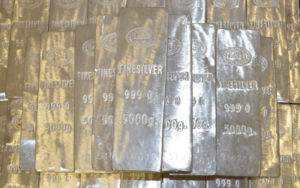
Gold tumbled below the $4,000-an-ounce threshold, erasing all of the previous week’s gains with a 4.5% weekly drop, as sticky inflation and bets on aggressive Federal Reserve rate hikes next month pressure the precious metal and deep divisions emerge among Wall Street firms over its outlook.
Spot gold last traded at $3,884.20 an ounce. The metal has shed nearly 7%, or about $290, since Tuesday, cracking near-term technical support as climbing Treasury yields and a strengthening US dollar erode the appeal of non-interest-bearing bullion. The 10-year Treasury yield has climbed back above 5%, lifting the opportunity cost of holding gold, while the greenback has rallied to its strongest level since April 2025, further weighing on the dollar-denominated commodity.
Shifting Fed policy expectations stand as the primary catalyst behind the pullback. Persistent inflationary pressures and signals from some Fed officials backing a potential 50-basis-point rate increase in December have cemented a hawkish bias across markets. One commodity analyst noted in a weekly report that repriced rate expectations paired with dollar strength have left gold exposed to sustained selling pressure, and concentrated ETF outflows triggered by the price weakness could widen the downturn.
Wall Street institutions hold sharply divergent views on gold’s year-end trajectory. Goldman Sachs cut its price forecasts in a November 5 precious metals report, trimming its end-2026 target by $500 to $4,150 an ounce and its end-2027 estimate by $600 to $4,800. The bank’s base case assumes one additional Fed rate hike in December 2026, with rising real yields set to slow gold’s upward momentum and the robust call-option demand seen early this year normalizing toward historical averages. While Goldman does not challenge the broader long-term uptrend, it projects a markedly flatter ascent and higher volatility ahead.
The bank kept its central bank buying projections unchanged, forecasting average monthly purchases of 60 metric tons in both 2026 and 2027 — well above the 17-ton monthly average recorded before 2022. It added that central banks follow far longer allocation cycles than speculative investors and will not immediately offset short-term fund outflows, so official-sector demand cannot fully buffer price swings.
Standard Chartered takes a far more optimistic stance, maintaining its year-end forecast of $4,650 an ounce and describing $4,000 as a level with solid fundamental support. The competing forces played out clearly in Thursday’s session: spot gold briefly climbed above $4,100 amid lower oil prices and softer US equities before reversing more than 1% to an intraday low of $4,036.82 and slipping back below the $4,000 mark.
The head of commodity strategy at Saxo Bank said the breach of $4,000 has caused notable technical chart damage, but near-term price weakness should not be mistaken for a reversal of long-term fundamentals. Continued central bank gold accumulation for reserve diversification and the resilience shown by ETF investors through recent volatility will help cap the correction, he said, though further gains in yields and the dollar would extend the short-term softness.
Markets will next focus on minutes from the Fed’s October policy meeting and upcoming US retail sales data. The central bank held rates steady at its October gathering, though two committee members voted for a 25-basis-point hike, and a hawkish tone in the minutes could put fresh pressure on gold. Some economists argue a 25-basis-point December increase is more likely given growing economic downside risks, and a paring back of aggressive rate hike expectations would give gold a temporary reprieve.
Contrarian Investing
Federal Reserve
Gold
Interest Rate