
RPX Gold Inc. (TSXV: RPX)
Lorem ipsum dolor sit amet, consectetur adipiscing elit, sed do eiusmod tempor incididunt ut labore et dolore magna aliqua.

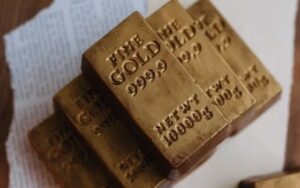
For the week ending October 30, 2026, the gold market presented a paradox that has left bulls perplexed: the Federal Reserve held rates steady, U.S. Treasury yields fell sharply, and the dollar retreated from its highs—three traditional tailwinds stacked together—yet gold is poised to close the week with a loss of about 3%, falling below $3,900 an ounce to a more than 12-month low.
Kitco News analyst Neils Christensen put it bluntly: this price action once again confirms an old adage of the gold market—gold’s greatest power is its ability to frustrate investors.
By traditional pricing logic, this week should have been a “good week” for gold. Falling bond yields lower the opportunity cost of holding a non-yielding asset, while a weaker dollar boosts the purchasing power of non-U.S. buyers; the two have long constituted major supports for gold prices. Yet gold fell instead of rising, indicating that the anchor of market pricing has shifted: gold is no longer trading around “today’s yields and the dollar”—investors are focused on “tomorrow’s monetary policy.”
The crux of the problem is that although the Fed has paused its tightening, it is far from finished. Fed Chair Kevin Warsh made clear on Wednesday that the central bank remains committed to bringing inflation back to its 2% target. Underpinning this hawkish stance are the U.S. economy’s 3.4% growth in the third quarter and a relatively resilient labor market—policymakers lack the incentive to abandon their hawkish position. The market is therefore not pricing “the end of tightening,” but rather that “interest rates will remain higher for longer.” For gold, this means expectations of higher real rates and an opportunity cost that has not truly eased.
More subtly, the two variables that should have been bullish for gold have instead turned into pressure. The ongoing war with Iran continues to disrupt global energy markets, and elevated oil prices are adding to inflationary pressure; geopolitical uncertainty and rising inflation should have spurred safe-haven and inflation-hedge demand, but under the expectation that the Fed will be forced to keep rates higher for longer, the more stubborn energy-driven inflation is, the harder it becomes for the central bank to pivot to easing—and gold is punished instead. The very forces that support safe-haven demand have become its biggest headwind, which is precisely what makes the current environment so exceptionally difficult for gold.