
Southern Silver Exploration Corp. (TSXV: SSV, SSEV: SSVCL, OTCQX: SSVFF)
Southern Silver, a low-risk junior development company with substantial upside potential that is emerging as one of the premier Ag-Pb-Zn companies in Mexico
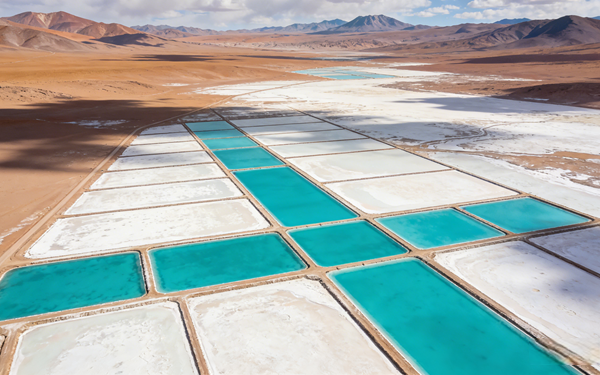
Lithium Americas (LAC) has raised the cost of its Thacker Pass Phase 1 project by 31% to US$3.83 billion, reflecting the labor, tariff and logistics pressures facing the construction of a domestic U.S. lithium supply chain. The company said on Wednesday that the revised budget adds US$895 million in capital costs and increases the project’s funding requirement by about US$995 million. Lithium Americas expects to cover the additional funding through corporate contributions and available reserves under the U.S. Department of Energy (DOE) loan. Investors reacted negatively to the news, with the company’s shares falling nearly 8% to C$2.48 per share in early trading in Toronto, reducing its market capitalization to about C$544 million (US$382 million).
Chief Executive Officer Jonathan Evans said in a statement that Thacker Pass is expected to become the largest fully integrated domestic source of battery-grade lithium carbonate in the United States, and the company is accelerating construction. Phase 1 is advancing toward peak construction in late 2026, with mechanical completion targeted for the end of 2027. The cost increase highlights the challenges of building a domestic lithium supply chain in the United States, where rising wages, shortages of skilled labor and tariffs are putting pressure on large mining development projects. Thacker Pass is a joint venture project with U.S. automaker General Motors (GM) and is expected to supply enough lithium each year for about 1 million electric vehicles.
Among the cost increase, higher labor installation rates for piping, steel and equipment contributed US$245 million, while tariffs and logistics added about US$100 million. Lithium Americas now expects Phase 1 spending in 2026 to be between US$1.7 billion and US$2 billion, up from its previous forecast of US$1.3 billion to US$1.6 billion. Despite the higher costs, the company still aims to achieve commercial production in 2028, with Phase 1 designed to produce 40,000 tonnes of battery-grade lithium carbonate per year at full capacity. The revised estimate places greater pressure on construction productivity and cost control, and as the project enters its most labor-intensive phase, further cost increases could strain available financing even if the company maintains its production schedule.
Lithium Americas expects to meet the additional funding requirement through joint venture contributions and available DOE loan reserves, reducing the need to seek entirely new financing. As of September 30, the company held about US$1.3 billion in cash and restricted cash, including about US$360 million at the Thacker Pass joint venture. DOE-backed financing provides an important source of funding for project development, aimed at strengthening the ability of the United States to access battery-grade lithium and reducing reliance on imported materials.