

Pinnacle Silver & Gold Corp (TSXV: PINN)
Building a New Americas-Focused Silver and Gold Company
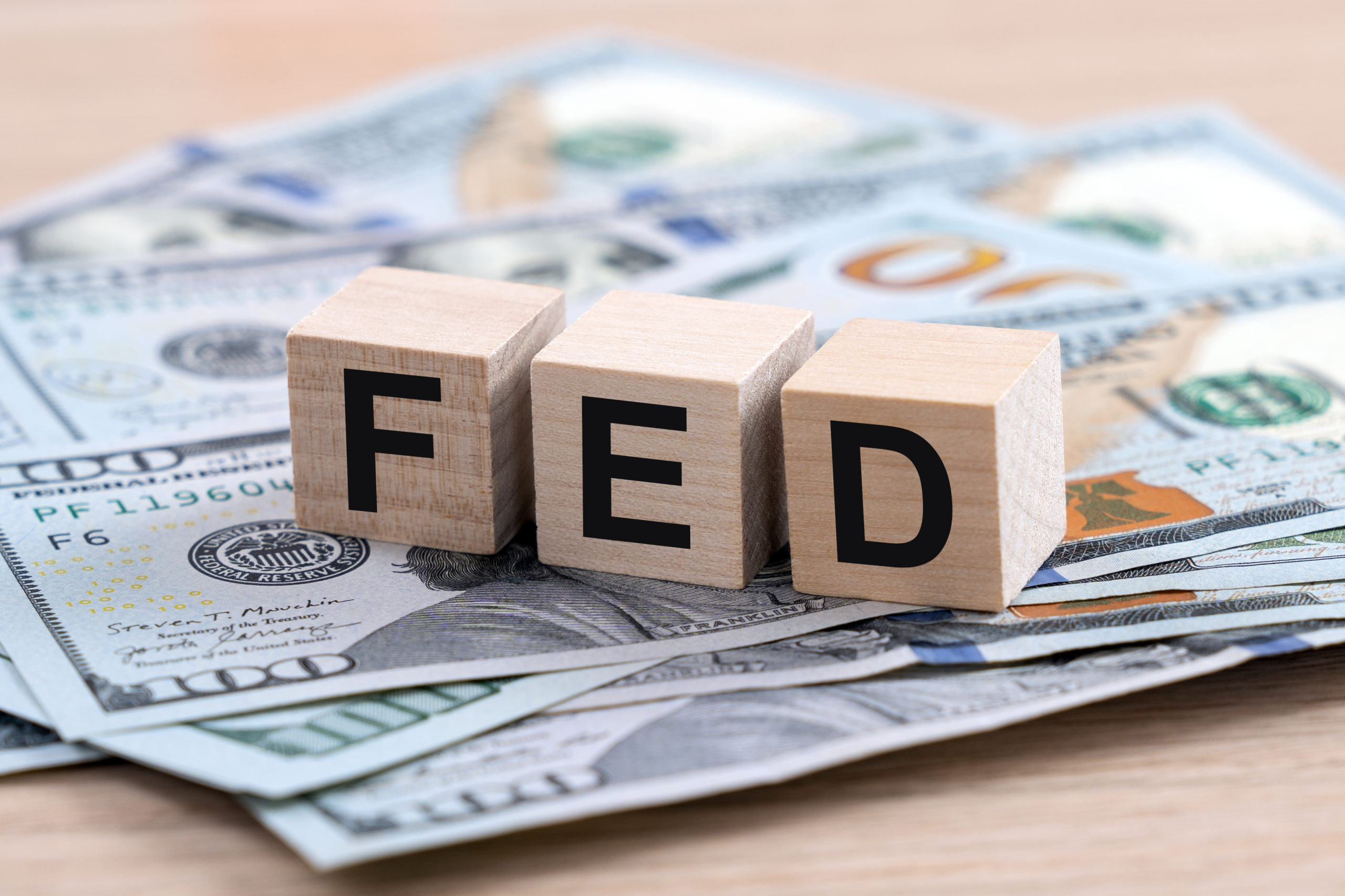
Since the start of 2026, the trajectory of U.S. inflation has persistently puzzled the market, with the Federal Reserve internally witnessing a rare occurrence of three voting members dissenting against holding rates steady. As the September policy meeting approaches, the latest inflation estimates released by the Cleveland Fed could push an already divided Federal Open Market Committee (FOMC) toward an even more intense confrontation.
Near-Term Inflation Forecast: Headline Moderates, Core Remains Sticky
The Cleveland Fed’s “Nowcasting” inflation tracking tool projects that July headline CPI will rise just 0.09% month-over-month, with an annual increase of 3.42%; August headline CPI is expected to climb 0.38% month-over-month, with the annual rate edging up to 3.45%. On the surface, inflation appears to have stayed moderate after a brief cooling in June.
However, the trajectory of core data is the true critical variable. Core CPI, which excludes food and energy, is projected to rise 0.21% month-over-month in July, with an annual increase of 2.52%, rebounding from June’s flat monthly reading. Even more noteworthy is the Fed’s preferred inflation gauge—core PCE. Estimates show July core PCE rising 0.27% month-over-month, with the annual rate holding at 3.31%; by August, it is projected to climb further to 3.36%. This suggests that while energy-driven headline inflation has eased, core inflation proves far stickier than markets had anticipated.
Interpreting the Data Signal: Hawks and Doves Both Find Ammunition
The aforementioned projections will all be released ahead of the September 15-16 FOMC meeting—July CPI on August 12, and August CPI expected on September 11. Market pricing shows that, as of August 6, the probability of a 25-basis-point rate hike in September stands at roughly 55%, with a 45% chance of holding steady.
For the three “hawks” within the Fed, core CPI growth of 0.2% month-over-month represents a reacceleration of inflation, sufficient to support a case for hiking. “Doves,” on the other hand, may argue that this increase remains below the average monthly core CPI growth seen over the past 12 months and does not constitute a substantive inflationary threat. The Cleveland Fed’s projections, in effect, provide ammunition for both camps.
JPMorgan’s wealth management strategists have recently adjusted their baseline forecast to incorporate a 25-basis-point hike in September, noting that “slower-than-expected supply chain recovery through the Strait of Hormuz, combined with market skepticism over the Fed’s inflation-fighting credibility following the July meeting, has lowered the bar for a September rate hike.” In stark contrast, Wells Fargo’s Chief Economist Tom Porcelli maintains his view that the Fed will remain on hold throughout 2026.
Internal Divisions Deepen, September Meeting Becomes Pivotal
At the July FOMC meeting, three voting members favored an immediate rate hike—the first time since 2016 that three voters have shared the same dissenting stance. Fed Chair Kevin Warsh reiterated the 2% inflation target during his post-meeting press conference but remained vague on the specific policy path, further adding to market uncertainty.
Should the actual data released in the coming weeks come in above current projections, the hawkish camp will likely grow more vocal; if it undershoots, it would provide doves with a rationale to stay on hold. Either way, the September FOMC meeting could well evolve into a tense policy showdown—one that reflects not just disagreement over the direction of rates, but also the Fed’s delicate balancing act between persistent inflation and an uncertain economic outlook.