Muzhu Mining Ltd. (CSE: MUZU)
Creating lasting wealth by developing gold and silver properties with near-term mining potential
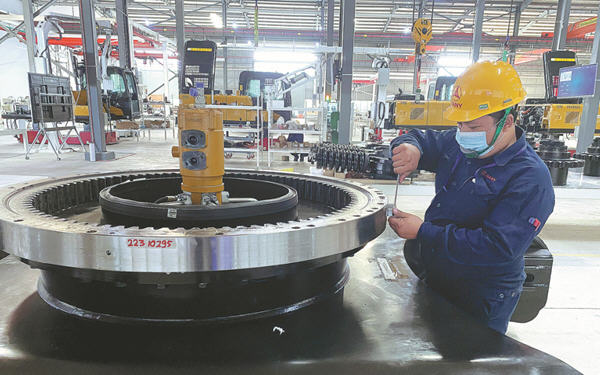
Ten years after the launch and implementation of China’s Belt and Road Initiative, a new report by the Griffith Institute of Asian Studies in Australia reveals that China’s Belt and Road Initiative in the past decade totalled more than US$1 trillion in cumulative investment, of which US$634 billion was in construction contracts and US$419 billion in non-financial investment.
In 2023, Africa overtook the Middle East as the top investment target for Belt and Road Initiative projects, with Chinese investment in Africa up 114 per cent and in Latin America and the Caribbean also doubled last year.
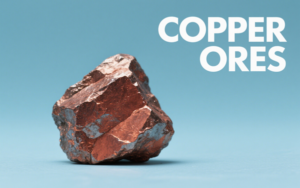
Chinese investment in metals and mining related to the Belt and Road Initiative reached $19.4 billion in 2023, up 158 per cent from 2022, the highest level ever recorded, the report said. The green energy transition has been the focus of minerals and metals investment projects over the past year, with copper accounting for the largest share of new projects notified, followed by significant lithium, nickel and uranium spending under the Belt and Road Initiative.
In 2023, Saudi Arabia’s ASK Group signed a $500 million agreement with China National Geological and Mining Corporation (CGMC) for the development, construction and operation of a copper mining project in the Arabian Peninsula.
In addition, mining investments have been focused on Indonesia and various countries in Africa and South America. This includes the purchase by CATL of a stake in an Indonesian nickel concession from PT Aneka Tambang (Antam). CATL is the world’s largest battery maker.
China’s Jiangxi, Ganfeng and Hainan mining companies acquired stakes in a Mali lithium project through the purchase of Kodal Minerals; and Zhejiang Huayou Cobalt commissioned a lithium processing plant in Zimbabwe. Downstream investment in battery and electric vehicle manufacturing is also soaring, reaching nearly $10bn, the report said.
The company with the highest Belt and Road investment last year was CATL, which accounted for more than 15 per cent of the total, followed by Zijin Mining at 11 per cent. Zhejiang Huayou Cobalt invested nearly 9 per cent of the total, while CMOC (formerly China Molybdenum) and China Minmetals each accounted for more than 5 per cent.
Looking ahead to 2024, the Griffith Institute of Asian Studies expects China to further strengthen its engagement in the Belt and Road Initiative, with a focus on national partnerships in renewable energy, resource-supported mining and related technologies, including electric vehicle batteries.
The Griffith Asia Institute is an internationally recognized research centre affiliated to Griffith University in Australia, reflecting Griffith’s long-standing commitment to research and engagement with countries in the Asia-Pacific region, and is ranked 17th globally / 1st in Australia in the Go To Think Tank Index 2020 ‘University Affiliated Regional Research Centres’ category.