
Electric Metals (USA) Limited (TSXV: EML; OTCQB: EMUS)
Securing America’s Manganese Supply Chain
As geopolitical tensions and sovereign debt concerns escalate, commodities are becoming the last bastion of safety for global capital. Japan’s 30-year government bond yield recently hit a record 3.4%, while Germany’s 30-year government bond yield surged by 12 basis points—clear signs of deepening anxiety over sovereign debt sustainability.
Meanwhile, the U.S. faces unprecedented scrutiny over its $36 trillion national debt and worsening fiscal deficits, casting doubt on the safety of dollar-denominated assets.
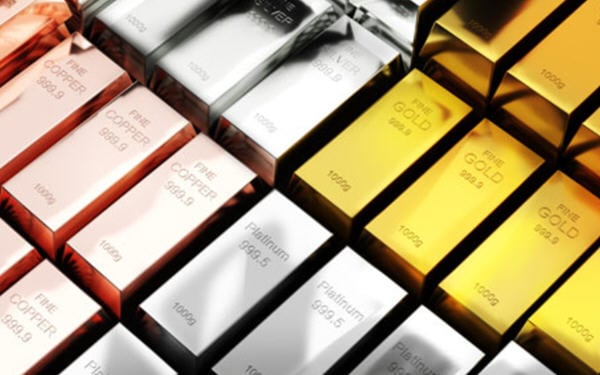
With Trump’s tariff policies accelerating de-dollarization and supply chain restructuring, commodities—particularly gold, silver, and copper—are positioned for sustained upside.
Historical data reveals gold’s dominance during stagflation, delivering 32.2% annualized returns since 1973, while U.S. stocks fell 11.6%. In 2022, when U.S. CPI inflation peaked at 9%, gold simultaneously breached $2,050/oz, reaffirming its inflation-hedging credentials. Forbes notes that stagflation disrupts traditional economic patterns, creating ideal conditions for gold. Analysts now forecast a new equilibrium between $3,000 and $3,500/oz.
Despite lagging gold’s rally, silver’s fundamentals are exceptionally tight. The Economic Times reports that 2025 will mark the fifth consecutive year of supply deficits, with industrial applications consuming 60% of output. Solar, 5G, and flexible electronics are driving relentless demand, while the gold-silver ratio at 99:1—far above its 60:1 historical average—suggests significant upside potential. A breakout above $35 could trigger a major revaluation.
S&P Global projects global copper demand will double to 50 million tonnes by 2035. COMEX copper hit an all-time high of $5.37/lb on March 27, with traders predicting $6/lb this year. USC Professor Shon Hiatt warns, “The next 20 years will require as much copper as humanity has ever mined.” Supply constraints compound the issue—BHP reports average ore grades have declined 40% over 30 years, with existing mines expected to produce 15% less by 2035. AI and decarbonization are turning copper into the most strategic commodity of the energy transition.
The dollar’s share of global reserves has dropped from 65% to 58% in a decade, per IMF data. Fifty-five nations are adopting non-dollar trade systems, while BRICS and ASEAN push currency diversification. Frank Holmes of U.S. Global Investors observes, “When sovereign bonds lose their safe-haven status, tangible commodities become the last reliable store of value.” Junior mining stocks, with their leveraged exposure to rising prices, offer particularly compelling upside.
Amid converging geopolitical and debt crises, allocating 15-20% to precious and industrial metals may be the optimal hedge against systemic risks.