Australia Will Lose World’s Top Lithium Producer Ranking by 2026
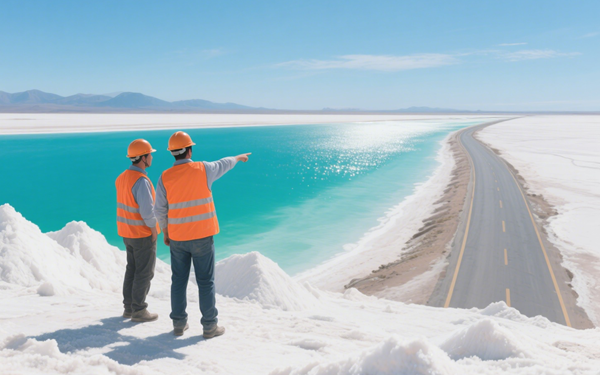
According to a new forecast by commodity consultancy Fastmarkets, China is poised to surpass Australia as the world’s largest lithium producer by 2026, cementing its dominance in the global critical minerals supply chain.
Production Landscape Shifts
Australia has maintained its position as the leading lithium producer since overtaking Chile in 2017. However, with lithium prices plummeting nearly 80% from their 2022 peak, Australian miners have been forced to cut production and delay expansion plans.
Fastmarkets projects China will outproduce Australia by 8,000 to 10,000 metric tons next year, before significantly widening the gap to 900,000 metric tons by 2035 – dwarfing Australia’s expected 680,000 tons, Chile’s 435,000 tons, and Argentina’s 380,000 tons.
China’s Unconventional Growth Path
China’s production surge comes primarily from lepidolite mining in its southern provinces. While abundant, this hard-rock lithium source is more expensive to process than South American brine deposits and carries greater environmental risks due to toxic byproducts like thallium and tantalum that can contaminate water supplies.
“Chinese miners are maintaining production despite current unprofitability due to government support, local employment pressures, and long-term market positioning,” explained Paul Lusty, Fastmarkets’ Head of Battery Raw Materials Research. He noted that one major Chinese producer had temporarily suspended operations at a key lepidolite mine last September before resuming production in February.
Downstream Dominance
China already controls approximately 70% of global lithium refining capacity. While Fastmarkets expects this share to decline to 60% by 2035 as new refineries come online elsewhere, China will maintain overwhelming dominance in processing the battery metal.
The nation’s comprehensive electric vehicle ecosystem further strengthens its lithium position. LG Energy Solution data shows China accounted for over 60% of global EV sales in 2023, creating unparalleled demand for domestic battery materials.
Challenges Ahead
Industry analysts caution that China’s lepidolite expansion faces sustainability challenges. The energy-intensive, environmentally sensitive production method may prove difficult to scale sustainably. Meanwhile, Western nations are accelerating efforts to secure alternative lithium supplies through projects in Africa and North America.
As the global energy transition accelerates, this impending shift in lithium production leadership signals a new chapter in the geopolitics of critical minerals.
China News
Energy Metals
Lithium
Mining