Global Electricity Demand Set to Double: Will Critical Material Supplies Keep Pace?
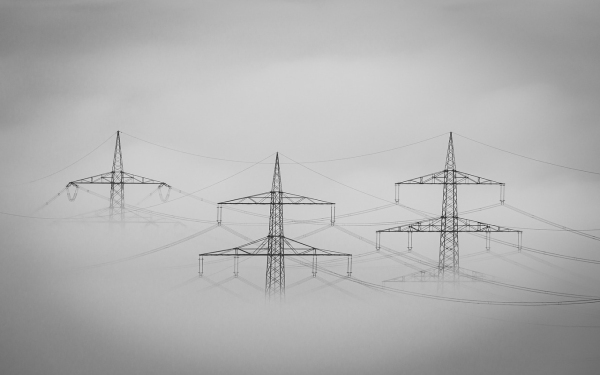
By 2050, global electricity demand is expected to more than double, driven by rapid urbanization and industrialization in developing countries, growing wealth in emerging markets, and the expansion of AI, data centers, electrification, and industrial activities in the West.
This significant increase is triggering major investments in critical materials and energy infrastructure. As the clean energy transition accelerates—with spending reaching around US$2.1 trillion in 2024—supply chains are under pressure. Geopolitical conflicts such as the Russia–Ukraine war, along with China’s dominant position in key minerals like lithium and rare earths, underscore the vulnerabilities in global supply. In response, the United States has prioritized domestic production and strategic reserves to secure these resources.
Key drivers of rising electricity demand include:
AI and Data Centers: The rapid growth of AI and data centers is modernizing grids and boosting consumption; forecasts indicate a 2.5-fold increase in global data center electricity use and over a fourfold rise in AI-related power needs by 2030.
Electrification of Transportation: The shift to electric vehicles, buses, and rail is intensifying grid loads and driving the need for upgraded charging infrastructure and increased material inputs—EVs require six times more critical materials than traditional cars.
Industrial Production: Manufacturing, mining, and chemical sectors are major power consumers, with reshoring and the growth of industries like semiconductors further elevating demand.
Cooling Needs: Economic growth and global warming have pushed cooling-related power usage, which currently accounts for about 10% of global electricity—a figure expected to triple by 2050 in hot regions.
Supply-side challenges are equally pressing:
- Uranium faces severe shortages, with potential deficits reaching 1.3 to 3.1 billion pounds by 2045–2050, as nuclear capacity expands mainly in Asia and the U.S.
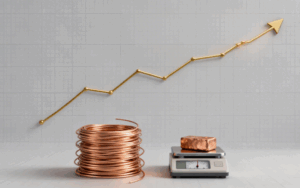
- Copper demand rises with power transmission improvements, evidenced by projects like Microsoft’s Chicago data center using over 2,000 tons.
- Silver is vital for solar panels and automotive electronics, yet global supplies have stagnated since 2014, raising concerns as new installations drive up demand.
- Lithium, essential for batteries, is constrained by economic extraction limits; by 2030, 91% of lithium demand will come from EVs and storage, outpacing supply from 2028 onward.
- Nickel shortages persist due to its heavy use in battery cathodes and energy technologies, with the gap expected to continue until at least 2040.
Overall, the evolving landscape of energy production and consumption is highlighting the strategic importance of critical materials. Addressing these challenges will require technological breakthroughs, enhanced energy efficiencies, increased EV production, and robust energy security measures—efforts that will shape global development for decades to come.
Copper
Lithium
Nickel
Silver
Uranium