Precious metals rallied sharply on Monday as gold and silver prices surged amid heightened safe-haven demand driven by escalating trade tensions between the world’s two largest economies. A weakening U.S. dollar and a significant rise in crude oil prices also created a favorable environment for the metals.
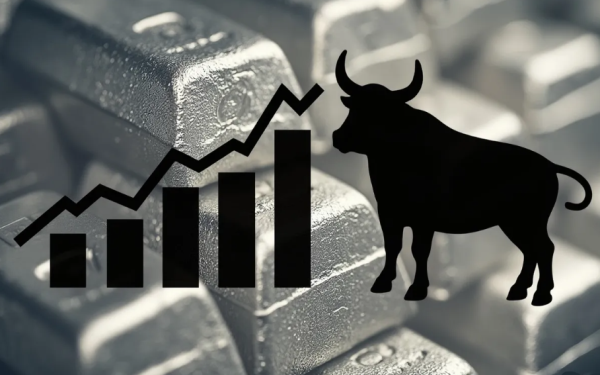
Gold for August delivery climbed $86.30 to reach $3,401.90 per ounce, marking a three-week high. Meanwhile, July silver futures soared by $1.566 to settle at $34.59 per ounce, reaching a two-month high. Market action showed silver’s biggest single-day rally since mid-October, gaining over 4% to trade at $34.39 per ounce in the spot market.
Michele Schneider, Chief Market Strategist at MarketGauge, recently commented that she maintained a neutral stance during gold and silver’s consolidation phase. However, she highlighted a potential buying opportunity in silver if prices break through the $34 per ounce resistance level. Schneider believes that if silver maintains this breakout, follow-through buying could pave the way for a rally towards $40 per ounce. Still, she cautioned about the noticeable resistance in the area, urging investors to patiently monitor if the breakout holds.
Gold also demonstrated notable strength, rising 2.6% to trade at $3,374.90 per ounce, adding to the momentum of precious metals.
Schneider pointed to a significant drop in the gold-to-silver ratio below its 50-day moving average, signaling a long-anticipated rotation into silver. Last month, the ratio reached a five-year high of 107 when gold set an all-time high of $3,500 per ounce. She noted similarities between the current trend and the events of 2020, when the gold-to-silver ratio dropped 51% within a year to a six-year low.
One of the key factors Schneider sees driving precious metals is potential monetary policy easing by the Federal Reserve. Despite persistent inflation, an economic slowdown may force the Fed to cut interest rates sooner rather than later. According to the CME FedWatch Tool, the market currently expects a rate cut by September. Lower rates could not only boost investment demand for both precious metals but also revive industrial use for silver, making it a greater inflation hedge than gold.
Schneider further stressed the vulnerability of the U.S. dollar, which has broken below an eight-year business cycle trend. This aligns with similar events in 2011 and 2020, notably marked by a credit downgrade of the U.S. government by Standard & Poor’s in 2011. Despite rising market anxiety, the dollar has failed to attract safe-haven flows, remaining near a three-and-a-half-year low.
The monthly dollar chart and the gold-to-silver ratio are both oversold, Schneider noted. But if this new trend is confirmed, any rebound in the dollar will likely be shallow and short-lived.
As geopolitical uncertainties deepen and global trust in the U.S. weakens, Schneider anticipates prolonged pressure on the dollar. Gold and silver stand to benefit significantly, sharing the rewards of a weakening greenback. Nevertheless, Schneider underscored gold’s unique role as a monetary asset, as central banks continue to favor it in their reserves.
With both metals positioned for further gains, Schneider’s outlook suggests silver could shine brighter in the current macroeconomic climate, while gold retains its status as a safe-haven and a reserve asset amid a complex global landscape.