Brookfield Renewable Partners (TSX:BEP.UN), Canada’s clean energy powerhouse, saw its shares jump 6% after securing a groundbreaking $3 billion power purchase agreement with Alphabet’s Google. This landmark deal positions the renewable energy leader for potential upside as analysts revise their valuation models.
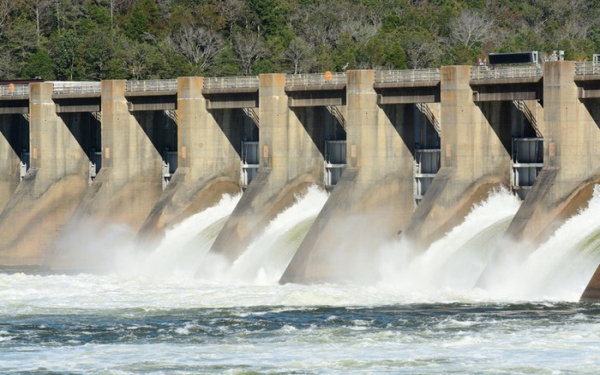
The 20-year framework agreement grants Google access to 3,000 megawatts of hydroelectric capacity from Brookfield’s U.S. assets — enough to power two major cities. Initial contracts cover output from Pennsylvania’s Holtwood and Safe Harbor facilities, featuring fixed-price terms with inflation adjustments, take-or-pay provisions ensuring revenue stability and options for geographic expansion across multiple U.S. regions.
Morgan Stanley estimates the deal could boost Brookfield’s 2026 EBITDA by 8-12%, with additional upside potential as the partnership expands.
While the Google deal dominates headlines, Brookfield’s recent moves reveal a multifaceted growth approach:
$4.5 billion liquidity for strategic acquisitions
National Grid Renewables purchase adding 3,900 MW operational solar/storage capacity
Neoen privatization expanding European offshore wind portfolio
30,000 MW development pipeline in progress
The company’s capital recycling model has proven effective, generating $6 billion from mature asset sales since 2022, with reinvestment returns of 15-20%.
Despite gaining 17.5% over three months, Brookfield shares remain 14% below their 52-week high while offering investors 5.8% dividend yield with 5% compound annual growth; 90% cash flow visibility through regulated/contracted assets; and embedded growth from 12,000 MW capacity expansion planned through 2027.
Gold Sachs analysts highlight Brookfield’s unique position: “With data center power demand growing 9% annually and U.S. Inflation Reduction Act benefits secured through 2032, BEP.UN offers a rare combination of yield stability and growth potential in the renewables sector.”
The stock’s breakout above C$37.2 suggests further upside potential, making current levels an attractive entry point for energy transition investors.