
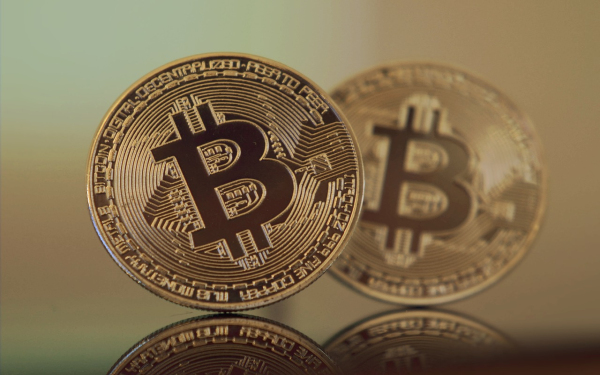
What goes up must eventually come down — and Bitcoin is no exception. Over the past year, cryptocurrency prices have soared across the board, fueled by looser federal regulations and a wave of investor optimism mixed with speculation. Bitcoin (BTC) itself has risen dramatically, climbing 76% in just one year.
While sentiment remains high among investors in both stocks and crypto, a worsening economic climate could trigger profit-taking and major pullbacks. That said, Bitcoin has proven resilient in the past, rebounding strongly even after significant corrections. With its price still hovering below $120,000, many are asking: is now the time to buy?
Here’s what’s driving the momentum — and what might stand in its way.
Bitcoin’s latest rally began following Donald Trump’s election victory late last year. Crypto investors anticipated a more favorable policy environment under his administration — and they were right. Since taking office, Trump has rolled back cryptocurrency regulations, announced a strategic Bitcoin reserve, dropped several lawsuits against crypto firms, and even launched his own meme coin. While not all these moves were fundamentally positive, they helped lift market sentiment and push prices higher.
More importantly, Bitcoin has gained broader institutional acceptance. In the past year, nearly a dozen spot Bitcoin exchange-traded funds (ETFs) have launched, giving investors an easy way to gain exposure to Bitcoin’s price movements. As major financial institutions begin offering shares in Bitcoin ETFs, the cryptocurrency has earned a new level of legitimacy.
Still, after such impressive gains, many are questioning whether Bitcoin — and cryptocurrencies in general — are entering frothy territory. Part of the climb has been driven by overall economic optimism and a strong appetite for risk assets, including stocks.
But recent signals suggest the economy might be cooling. Revised hiring numbers for May and June came in much lower than initially reported, and July’s job growth also fell short of expectations. Many economists also warn that Trump’s trade tariffs could eventually hurt consumers if companies begin passing higher costs onto them. Should consumer spending decline alongside slower hiring, economic growth could stall — leading investors to flee risky assets like Bitcoin.
If you can handle significant volatility and are prepared to hold for years rather than weeks or months, then Bitcoin may still be a reasonable investment. But after such a strong rally, any negative economic news — whether weak employment data, renewed inflation, or ongoing tariff tensions — could trigger a sharp downturn.
That said, for those willing to take the risk, Bitcoin remains a compelling long-term crypto asset. Widespread institutional adoption and the ease of investing via ETFs have strengthened its position in the portfolios of many investors — even if plenty of volatility lies ahead.