Why Trump’s Tariffs Spared Copper But Hammered Aluminum?
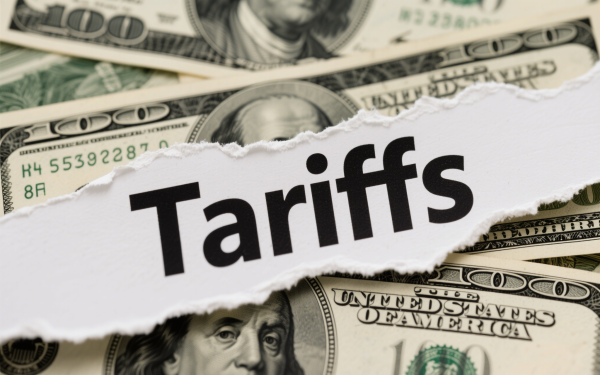
The Trump administration’s decision last week to exempt refined copper from import tariffs—while maintaining 50% duties on aluminum—reveals a calculated balancing act between energy economics, industry lobbying, and strategic supply chain priorities.
A Tale of Two Metals
On July 31, the U.S. announced tariffs only on semi-finished copper products (e.g., wire, tubes), sending Comex copper prices tumbling over 20%. In stark contrast, aluminum ingots have faced 50% tariffs since June. This divergence reflects the starkly different realities of the two industries:
Aluminum’s Decline: Just 4 smelters remain operational (down from 23 in 1995), with annual output collapsing from 3.35 million metric tons to 670,000 tons.
Copper’s Resilience: The U.S. maintains ~1.8 million tons/year of smelting capacity, dominated by giants like Freeport-McMoRan.
Energy Costs: The Deciding Factor
Macquarie Group analysis shows electricity constitutes 50% of aluminum smelting costs versus just 30% for copper—a gap that shaped policy:
“Greenfield aluminum smelting is economically unviable in the U.S. without massive intervention—and even then, success isn’t guaranteed.”
— Marcus Garvey, Macquarie analyst
U.S. aluminum producers face power costs 30-50% higher than competitors in the UAE, Bahrain, or China. Century Aluminum has aggressively lobbied for tariffs as a “last line of defense” for the industry.
Lobbying Dynamics: Unified Copper Front vs. Aluminium’s Plea
Copper producers mounted coordinated opposition. Freeport-McMoRan warned in a March filing: “A trade war would suppress copper prices, threatening the already high-cost domestic industry.”
This stance gained traction with manufacturers. The Copper Development Association notes copper serves a $75 billion end-market spanning construction, electronics, and renewables. The exemption reflects a compromise between protecting smelters and safeguarding downstream competitiveness.
Strategic Calculus: Selective Protectionism
The tariffs reveal a two-pronged approach:
Aluminum: Tariffs create breathing room, but energy costs limit revival prospects.
Copper: Shield existing capacity while ensuring stable raw material supplies.
Though the U.S. produces 5% of global copper ore, it still relies on refined copper imports—making total import cuts economically hazardous.
What Comes Next?
Analysts see aluminum tariffs as entrenched, while copper product duties may drive processing abroad. The ultimate constraint remains energy policy: without cheaper power, no tariff can sustainably revive U.S. smelting.
Aluminum
Base Metals
Copper
Trump