
1911 Gold Corporation (TSXV: AUMB; OTCQX: AUMBF)
1911 Gold is Manitoba’s Gold Standard - Ready, Permitted and High-Grade 1911 Gold is an Emerging Gold Producer, with Significant Cash Flow Generation and District-Scale Growth Potential
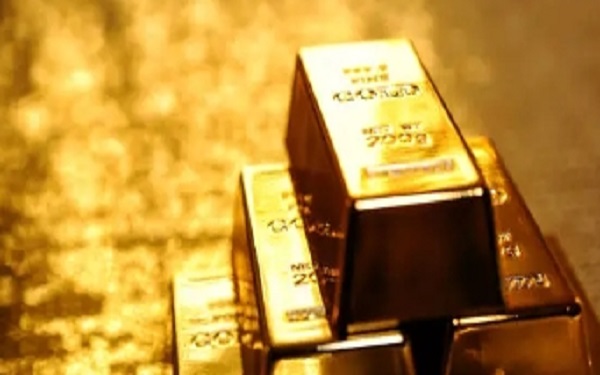
Gold once again captured global market attention as prices broke through $3,532 per ounce, setting a new all-time high and marking a cumulative increase of over 90% since late 2022. This strong performance has been driven by a combination of structural factors, including sustained central bank purchases, robust investment demand, and heightened geopolitical uncertainty.
Central Bank Purchases: From Reserve Diversification to Strategic Demand
Since 2022, annual net gold purchases by central banks worldwide have consistently exceeded 1,000 metric tons. Consulting firm Metals Focus expects central bank buying to remain high at 900 tons in 2025—far above the 2016–2021 annual average of 457 tons.
The trend stems largely from developing countries reassessing their reliance on dollar-denominated assets, especially after Western nations froze roughly half of Russia’s foreign currency reserves in 2022, accelerating a shift toward reserve diversification.
According to the World Gold Council, official data reported to the International Monetary Fund reflects only 34% of total central bank gold demand estimated for 2024, suggesting actual demand may significantly exceed reported figures. From 2022 to 2025, central bank purchases accounted for 23% of total gold demand, double the average share recorded during the 2010s.
Investment Demand: ETF Inflows and Diverging Retail Investment
Although jewellery demand has been dampened by high prices (falling 14% year-on-year to 341 tons in the second quarter of 2025), investment demand has shown strong growth. In the first half of this year, physically backed gold exchange-traded funds (ETFs) recorded net inflows of 397 tons—the largest first-half increase since 2020. By the end of June, total holdings in gold ETFs reached 3,615.9 tons, the highest since August 2022.
Within the retail investment market, product preferences have diverged noticeably: bar demand rose 10% in 2024, while coin demand fell 31%. Metals Focus projects that global net physical gold investment will increase by 2% in 2025, reaching 1,218 tons, driven mainly by continued buying in Asian markets amid expectations of further price gains.
Geopolitics and Monetary Policy: Twin Catalysts of Uncertainty
The current gold rally is also closely tied to the global political and economic environment. U.S. President Donald Trump’s trade policies, redefinition of Western security frameworks, and questions around Federal Reserve independence have amplified market concerns over the stability of the traditional financial system. At the same time, fluctuations in the U.S. dollar exchange rate and shifts in Treasury demand have contributed to short-term volatility in gold prices.
Industry Outlook: Sustained High Levels Expected
Although demand in certain sectors—such as jewellery fabrication—has weakened, resilience in central bank purchasing and investment demand continues to provide solid support for gold prices. Industry institutions widely believe that, against a backdrop of ongoing central bank diversification strategies, unresolved geopolitical risks, and growing investor allocation to safe-haven assets, gold prices are likely to remain stable at elevated levels.