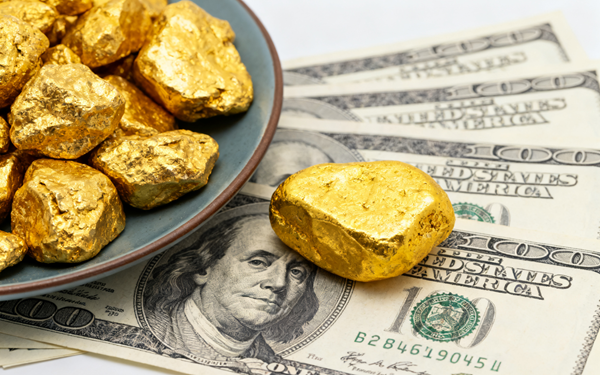
Gold is undergoing a fundamental re-evaluation, evolving from a traditional inflation hedge into a core strategic asset for nations, as record-breaking price rallies and unprecedented central bank buying signal a profound shift in its role within the fractured global order.
The precious metals market witnessed a historic surge in 2025. Gold prices catapulted to an all-time high of $4,381 per ounce, registering a staggering 60% gain and cementing its status as the world’s most valuable single asset with a market capitalization of approximately $28 trillion. This figure dwarfs the market values of other major assets, leaving behind chipmaker Nvidia at $4.5 trillion and Bitcoin at $2.5 trillion. Silver and platinum joined the rally with even more explosive gains of 75% and 80%, respectively.
In an October 2025 interview with METALS 100, Bradley Rourke, CEO and Director of Scottie Resources Corp. (TSXV: SCOT), discussed the company’s recent developments and future plans. Scottie Resources, a gold exploration company in British Columbia’s Golden Triangle, controls the 100%-owned Scottie Gold Mine Project — an 8,534-hectare property with over 30 mineralized zones, including the historic Scottie Mine. The project hosts an inferred resource of 703,000 ounces at 6.1 grams per tonne gold, with ongoing drilling at the Blueberry Contact Zone and strong growth potential. In 2025, the company raised C$15.9 million to advance exploration and expand its resource base.
However, conventional financial models, which typically link gold to inflation and interest rates, struggle to fully explain this meteoric rise. Analysts point to a more powerful, structural driver: deep-seated geopolitical fragmentation.
In an era where the unipolar world order is loosening and the transition to a multipolar system is fraught with friction, gold’s inherent qualities are being re-priced. Its core value now lies in its absolute independence—free from any single nation’s credit risk or political leverage. This characteristic has become particularly prized in a landscape where financial sanctions are a frequent tool of statecraft.
For non-Western nations, especially those within the BRICS bloc, accumulating gold is no longer just about portfolio diversification. It represents a strategic move to de-risk from traditional reserve currencies and a deliberate step in a broader de-dollarization strategy. The modern era’s most aggressive gold accumulation drive is underway, fueled by the concern that massive holdings of U.S. dollar-denominated assets could become a strategic liability.
Market speculation that the BRICS+ alliance may introduce a trade settlement system backed by a basket of commodities, including gold, adds a clear strategic rationale to this sustained official-sector purchasing. This consistent demand from central banks is establishing a solid “price floor” for gold, transforming it from a mere market commodity into an institutionalized strategic reserve.
Looking ahead, while geopolitical volatility may cause intermittent price corrections, the structural underpinnings of gold’s strategic value appear firmly established. As long as the trends of multipolarity and strategic competition persist, the pursuit of “de-risking” and strategic autonomy by nations will continue to fuel long-term structural demand for gold.
Gold’s journey has ascended from the price charts of commodity markets to the grand chessboard of global power reconfiguration. Its new identity as a strategic asset is poised to reshape the logic and landscape of global asset allocation for the foreseeable future.