Americore Resources (TSXV: AMCO)
Drilling Value in the Silver State
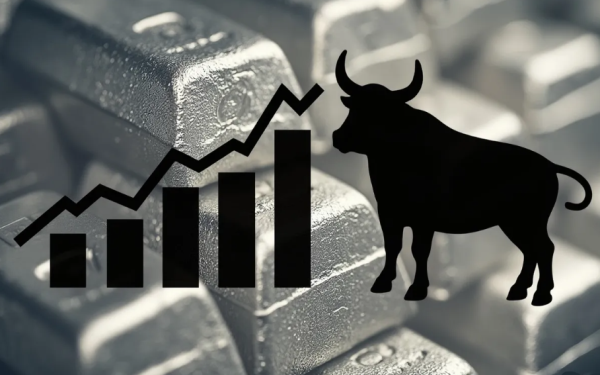
Silver has seized the spotlight in global precious metals markets, breaking decisively out of gold’s shadow with a record-setting surge. On Thursday, spot silver prices blasted through the key threshold of $64 per ounce, reaching an intraday high of $64.03 in New York trading. The move far outpaced the day’s gains in gold and underscored a profound shift in market dynamics, as silver transitions from a traditional follower of gold to the leading driver of the precious metals rally.
So far this year, silver has climbed about 116%, almost doubling gold’s roughly 60% rise. Both metals are on track for their strongest annual performance since 1979, but the balance of leadership is clearly changing. Silver is no longer merely echoing gold’s moves as a monetary metal; instead, it is being propelled by a powerful combination of financial flows, structural supply shortages, and robust industrial demand.
The Federal Reserve has undeniably helped set the stage for this rally across precious metals. On Wednesday, the FOMC cut interest rates by 25 basis points and unexpectedly announced a new program to purchase $40 billion in Treasuries per month, a move widely interpreted as an additional layer of monetary easing. According to TD Securities strategist Bart Melek, this policy backdrop has created a broadly supportive environment for both gold and silver, by weakening the dollar and lowering real yields.
But the magnitude and character of silver’s advance suggest that something deeper is at work. Unlike gold, whose demand is dominated by investment and central bank buying, silver sits at the intersection of monetary and industrial markets. Its recent price explosion reflects a fundamentally tighter physical market and surging industrial use.
Analysts point to a structural deficit in the silver market that is expected to persist into next year. Trevor Yates of Global X ETFs notes that silver is facing a sustained supply-demand imbalance, as industrial demand rebounds while mine output and recycling fail to keep pace. Key growth drivers include the photovoltaic sector, where silver is a critical component in solar panels, and the rapid buildout of data centers and electronics infrastructure associated with artificial intelligence and broader electrification trends.
At the same time, investment demand has intensified. Inventories in major trading hubs have tightened, and signs of strain are emerging along the supply chain. Derivatives positioning has further amplified the rally: a large cluster of call options on the iShares Silver Trust (SLV) with a strike price around $57 expired this week. As silver powered through those levels, options sellers were forced to buy silver-related exposure to hedge their books, adding fuel to an already sharp move higher.
Many market strategists now argue that silver is undergoing a fundamental repricing, rather than a simple cyclical spike. Michele Schneider, chief strategist at MarketGauge, describes silver as an essential industrial metal for the global push toward electrification. In her view, the combination of chronic supply constraints and structurally rising demand has turned the existing deficit into a significant risk factor for the market.
Despite its recent surge, Schneider believes silver remains undervalued relative to gold. Historically, the gold-to-silver ratio has tended to trade in a band of roughly 50–60. Today’s environment, shaped by aggressive decarbonization, expanding renewable energy capacity, and the growing importance of advanced electronics, could justify a ratio moving toward 40 or even lower. If that normalization unfolds, it would imply substantial additional upside for silver prices over the medium term. Schneider projects that silver could challenge $75 per ounce by 2026, assuming industrial trends and monetary conditions remain broadly supportive.
Looking ahead, the broader investment case for precious metals remains anchored in expectations of a sustained shift in U.S. monetary policy. As markets price in a more dovish Fed and an extended period of lower real interest rates, gold and silver should continue to benefit from their roles as alternative stores of value and portfolio hedges.
What distinguishes silver at this juncture is its dual identity: it is both an industrial metal and a monetary asset. This twin role is attracting a new wave of capital that views silver not only as a high-beta play on gold, but as a direct beneficiary of long-term themes such as green energy, electrification, AI-driven infrastructure, and advanced manufacturing. The latest rally, therefore, appears less like a passive reaction to gold and more like an active revaluation of silver’s strategic importance in the modern economy.
If supply growth continues to lag and demand from solar, electronics, and emerging technologies remains strong, silver’s newly independent bull market could endure well beyond the current monetary easing cycle. For now, the metal has decisively stepped out of gold’s shadow and is writing its own chapter in the ongoing precious metals bull market.