
Southern Silver Exploration Corp. (TSXV: SSV, SSEV: SSVCL, OTCQX: SSVFF)
Southern Silver, a low-risk junior development company with substantial upside potential that is emerging as one of the premier Ag-Pb-Zn companies in Mexico
Silver prices executed a dramatic reversal on Monday, plunging nearly 10% after scaling a historic peak above $83 per ounce during Asian trading hours. The metal swiftly retreated to the $70 level, marking its most severe intraday drop since 2021.
This sharp pullback poses a critical question for investors: does it signal the end of the blistering rally, or has it opened a strategic window for entry?
The sell-off followed an extraordinary period of strength that had seen silver surge close to 150% year-to-date, even briefly eclipsing the market capitalization of AI giant Nvidia. This meteoric rise, fueled by soaring Chinese investment demand and a bullish fundamental outlook, inevitably built up substantial profit-taking pressure. As traders cashed in, the 14-day Relative Strength Index (RSI) retreated from overbought territory above 70, triggering a deep technical correction.
Despite the retreat, silver’s long-term narrative remains compelling. Its rally has been powered by a “perfect storm” of catalysts: expectations for Federal Reserve rate cuts, robust industrial demand—particularly from the solar photovoltaic sector—and persistent concerns over supply shortages. Analysts suggest the correction effectively releases short-term overheating risks, potentially creating a healthier foundation.
Silver’s unique investment proposition lies in its dual identity, forming the core logic for viewing dips as potential opportunities:
This hybrid “growth-and-defense” profile means significant pullbacks can attract both growth-oriented investors betting on the green revolution and defensive investors seeking tangible asset protection.
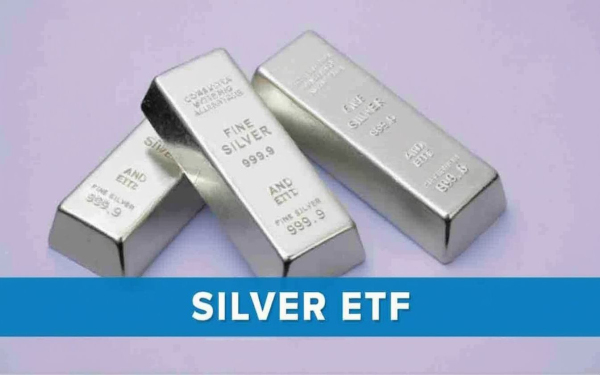
For most investors, gaining exposure to physical silver involves high barriers and logistical hassles. Silver Exchange-Traded Funds (ETFs) offer a transparent, liquid, and convenient alternative, eliminating concerns over storage and authenticity. Here are seven key ETFs to consider for strategic positioning:
| ETF Name | Ticker | Expense Ratio | Key Characteristics |
| iShares Silver Trust | SLV | 0.50% | Largest fund, exceptional liquidity |
| abrdn Physical Silver Shares ETF | SIVR | 0.30% | Low cost, high transparency in holdings |
| Global X Silver Miners ETF | SIL | 0.65% | Exposure to upstream miners, higher beta |
| Amplify Junior Silver Miners ETF | SILJ | 0.69% | Focus on small-cap explorers, high volatility |
| Sprott Silver Miners & Physical Silver ETF | SLVR | 0.65% | Hybrid mix of miner stocks & physical silver |
| Kurv Silver Enhanced Income ETF | KSLV | 1.00% | Options-based strategy for yield |
| ProShares Ultra Silver | AGQ | 0.95% | 2x leveraged, for tactical trades only |
The Analyst View: Tim Waterer, Chief Market Analyst at KCM Trade, maintains a constructive outlook: “As long as supply shortfalls remain an overarching theme, silver could quite feasibly be trading in the $90-$100 range next year.” The current correction may have unlocked a more cost-effective entry point for long-term positioning.
Risk Disclaimer: Silver remains a highly volatile asset. The depth and duration of the current pullback are uncertain. Leveraged ETFs like AGQ suffer from decay and are unsuitable for long-term holdings. Investors should make decisions based on their individual risk tolerance.