Tesla Inc. (TSLA) is staging a classic divergence between narrative and reality in the capital markets. While its U.S. sales have slumped to a nearly two-year low, its stock price surged past a one-year high on Monday, inching closer to its all-time peak. The rally, which saw shares jump as much as 5% intraday, is clearly fueled by something other than traditional auto sales fundamentals.
Industry data reveals a harsh reality for Tesla’s core business: U.S. sales plummeted 23% year-over-year in November to just 39,800 vehicles, marking the lowest monthly figure since January 2022. The decline was part of a broader industry chill, with overall U.S. electric vehicle sales plunging 41%, largely due to the cessation of the $7,500 federal tax credit at the end of September.
Yet, the market’s reaction has been strikingly opposite. Tesla’s stock has climbed approximately 18% over the past month, with Monday’s performance amplifying this disconnect. The driving force behind the stock is no longer current delivery figures but a compelling story about the future.
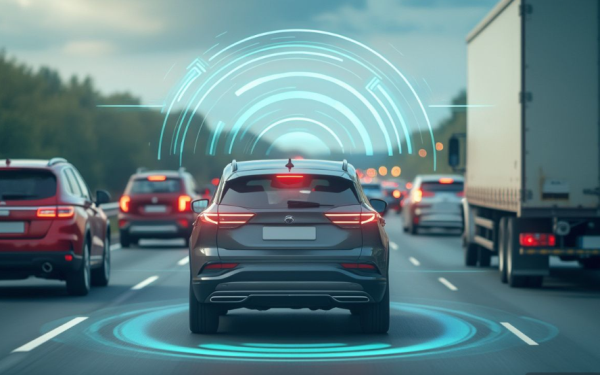
At the heart of this story is autonomous driving. Over the weekend, CEO Elon Musk announced on social media that Tesla has commenced fully driverless robotaxi testing with “no occupants” in the vehicle in Austin. This brief update was interpreted by the market as a strong signal of critical progress, instantly igniting investor optimism.
The narrative was further bolstered by a bullish note from Wedbush analyst Dan Ives, who reiterated a $600 price target and outlined a vision of Tesla reaching a $2 trillion market value by 2026 through its AI and robotics ventures. For many investors, Tesla’s valuation anchor has long shifted from automobile manufacturing to artificial intelligence and a future mobility revolution.
This enthusiasm has thrust Tesla into the center of a fierce valuation debate. By traditional metrics, the stock appears extraordinarily expensive, trading at a price-to-earnings ratio of 304 and a price-to-sales ratio of 17—lofty multiples for a company whose recent operational performance has not been exceptional. Critics argue that the stock price already bakes in years of wildly optimistic success, signaling significant bubble risk.
However, this is precisely the allure of a “story stock.” Proponents believe that if Tesla can successfully commercialize full self-driving at scale, its current market cap could become the foundation for future growth. The company’s potential is priced not on current profits but on the discounted value of a disruptive technological future. Yet, realizing this potential hinges on multiple uncertainties: technological breakthroughs, regulatory approvals, and mass-market adoption.
Tesla’s stock trajectory vividly demonstrates the powerful force of narrative in modern markets. As the line between visionary foresight and speculative froth blurs, the stock’s ultimate destiny depends on whether its thrilling “story” materializes as reality or fades under the test of time. For investors, the decision is no longer a simple calculation based on vehicle sales, but a high-stakes bet on the future.