

District Metals Corp. (TSXV:V.DMX. Nasdaq: DMXSE SDB)
Advancing the Largest Undeveloped Uranium Deposit in the World
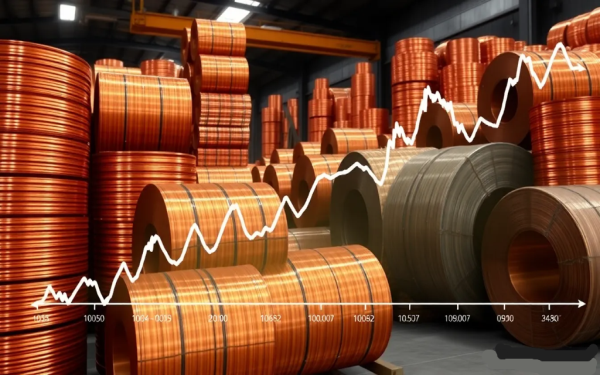
As of the close on January 5, 2026, the copper price on the London Metal Exchange (LME) set a new historical record amid sharp volatility. In early trading, the three-month copper futures price briefly soared to $13,020 per metric ton, surpassing the $13,000 threshold for the first time in history, with a gain of up to 4.3%. Although profit-taking later emerged, pulling the price back to around $12,500, this intraday high still marks the dawn of a new era for the copper market.
This record-breaking rally is not an isolated event but a continuation of the epic surge seen in 2025. Over the past year, copper prices accumulated a gain of over 43%, marking the best annual performance since 2009 and making copper the top-performing industrial metal on the LME. The strong breakthrough at the start of the new year has completely shattered market expectations of a price correction.
A Perfect Storm Drives Historic Price Action
This explosive price surge is driven by a “perfect storm,” centered around the acute conflict between “supply fragility” and “demand rigidity”:
Ongoing Supply Crisis: Operational disruptions at major global copper mines have become commonplace. In 2025, output issues at giant mines such as Grasberg in Indonesia and Kamoa-Kakula in the Democratic Republic of the Congo had already strained the market. Entering the new year, a strike at the Mantoverde copper mine in Chile further intensified supply anxiety. Analysts point out that years of underinvestment have left the global copper supply chain with extremely thin buffers, meaning any new disruptions could trigger price spikes.
U.S. Tariff Policy Distorts Global Trade Flows: The renewed investigation into copper tariffs by U.S. President Trump continues to unsettle the market. To avoid potential tariffs, large quantities of copper have been shipped to the U.S. in advance, causing severe regional supply mismatches. According to UBS data, the U.S. currently holds about half of global inventories but accounts for less than 10% of global consumption. This “hoarding” behavior exacerbates spot tightness in other regions, particularly Asia. The deep “backwardation” in the LME cash-to-three-month spread is a classic signal of near-term supply tightness.
Geopolitics and “Critical Minerals” Security Anxiety: Recent abrupt developments in Venezuela and U.S. actions, while not directly affecting copper production, have sharply heightened market concerns about the security of critical mineral resource supply chains. Investors are reassessing the risk premium for raw material supplies under the global “new order.”
The Demand Narrative Remains Strong: Long-term demand growth expectations driven by artificial intelligence data centers, electric vehicles, and power grid construction provide a solid fundamental underpinning for copper prices. Institutions like China Securities predict that the global refined copper market will see a supply shortfall of over 100,000 tons in 2026.
Analysts Diverge: Fundamental Shortage vs. Speculative Bubble
Faced with historic high prices, market analysis shows clear divergence. The Bulls argue that high prices are justified and necessary. SP Angel analyst John Meyer notes that the current price level is essential to incentivize future new mine investments, stating that “the breakeven price for development of the next generation of new copper mines is in excess of $13,000 a ton.” Citi forecasts a refined copper shortage of 308,000 tons in 2026, suggesting continued fundamental support.
The bears warn that the market may already be imbued with a significant speculative bubble. Macquarie analysts point out that substantial hidden inventories exist outside exchanges, with over 360,000 tons potentially stockpiled in the U.S. alone. This suggests the global market may have actually been in a “sizeable surplus of over 500,000 tons” last year. The current rally is largely driven by speculative capital flooding in due to fears of missing out on further gains.
In summary, the record-high copper price at the outset of 2026 signals the market’s entry into a new phase dominated by structural supply bottlenecks, geopolitical risks, and financial speculation. Although debate rages over whether current prices fully reflect actual supply and demand, a consensus exists: in the foreseeable future, volatility in the copper market will intensify significantly. Any new mine disruptions, policy shifts in major economies, or escalations in geopolitical tensions could become the catalyst for the next round of market movement.