
Prismo Metals Inc. (CSE:PRIZ)
A leadership team with a proven ability to explore, operate and develop precious metal discoveries.
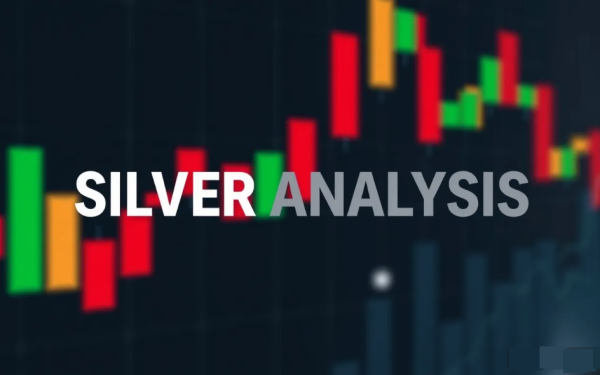
The silver market is experiencing a historic rally. Entering 2026, spot silver prices surged nearly 50% in January alone. On Monday, it skyrocketed as much as 14%, marking its biggest intraday gain since the 2008 global financial crisis and pushing it to a fresh record of $117.71 per ounce. The metal is currently trading around $109/oz.
This fierce rally has left investors at a crossroads: should they take profits or hold on for potentially higher returns?
Analysts at Citigroup Inc. are among the most bullish voices. The bank forecasts spot silver could hit a record $150 per ounce within just three months. In a Tuesday note led by analyst Max Layton, Citi pointed to strong ongoing buying momentum from China, suggesting even higher prices may be needed to draw out existing sellers.
“Silver is behaving like ‘gold squared’ or ‘gold on steroids’,” the note stated. “And we think this likely continues until silver looks expensive by historical standards, relative to gold.” Citi added that a return of the gold-to-silver ratio to its 2011 low of 32:1 could imply silver soaring as high as $170/oz.
Echoing a long-term bullish narrative, commodity analysts at BMO Capital Markets outlined a scenario where silver continues to shine amid a shifting global order and sustained central bank gold purchases. They suggested that if the gold-to-silver ratio stabilizes around 40-50—the lower end of its 30-year range—silver could reach approximately $160/oz by Q4 2026 and $220/oz by Q4 2027.
However, the exceptional speed and volatility of the rally since December have prompted sharp warnings from other quarters. History suggests such parabolic moves are rarely sustainable.
Ole Hansen, Head of Commodity Strategy at Saxo Bank, expressed clear concern in a Tuesday note: “While gold’s ascent continues to be orderly… silver has clearly moved into bubble territory, with retail participation, speculative positioning and fear of missing out acting as the primary drivers.” He warned the rally risked significant industrial demand destruction (accounting for ~60% of annual demand) and could lead to disorderly market conditions.
Marc Loeffert, a trader at Heraeus Precious Metals, also sounded a cautionary note: “History suggests that this rally is much nearer to its end than its beginning. The gold/silver ratio has been lower than today several times in the past but has rarely seen such a large swing in such a short time.”
With prices well above $100, analysts at HSBC offered a more direct recommendation. In a Tuesday note, they suggested it might be time for investors to take profits after a more than 200% year-on-year surge crushed the gold-silver ratio to multi-year lows.
“Silver is unlikely to have become a new safe-haven asset,” the HSBC analysts warned. “What’s more likely is that, as it began to catch up with gold, momentum took over and retail investors joined in, just as industrial demand has been picking up.”
The rally is being driven by a complex mix of factors:
Yet, headwinds persist. Citi noted these include persistent outflows from silver-backed ETFs, selling by speculators in futures markets, and declining inventories in U.S. warehouses.
The silver market now stands at a precarious junction, torn between powerful bullish momentum underpinned by long-term macro narratives and stern bubble warnings accompanied by historic volatility. The choice for investors is not about right or wrong, but about aligning their investment horizon and risk tolerance with the market’s potential for severe turbulence. Whether choosing to cash out or hold firm, managing risk and preparing for sharp swings will be the paramount task in the days ahead.