5 Silver ETFs to Play the Market from Physical to Miners
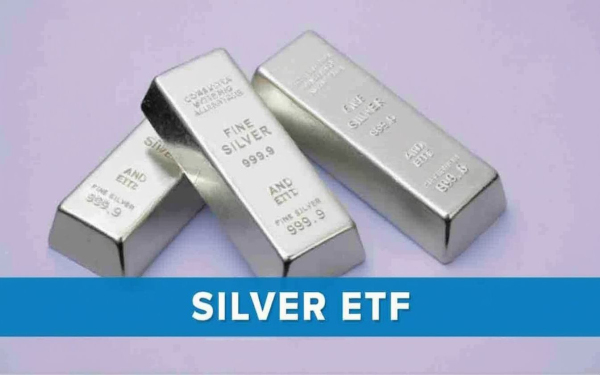
Silver markets staged a breathtaking roller-coaster ride in 2026. In extreme volatility, prices soared to a record high above $120 per ounce before correcting sharply back to the mid-$70s. As a unique precious metal with both industrial and financial attributes, silver’s trajectory is driven by industrial demand from sectors like solar panels and electric vehicles, as well as investment demand influenced by interest rates, inflation expectations, and market sentiment. Compared with gold, silver’s higher volatility makes it one of the most dynamic assets in commodity markets.
Looking ahead from 2026 to 2030, persistent supply deficits and growing global demand are expected to push silver prices gradually higher, potentially challenging the $145 level. Short-term swings are inevitable, however, so investors need to stay disciplined, keep a close eye on macroeconomic trends, and be prepared for volatility.
For ordinary investors seeking convenient and efficient exposure to silver, silver ETFs offer an ideal solution. “Physically backed silver ETFs offer three significant advantages over other types of silver investments: transparency, liquidity and convenience,” says Sean August, CEO of the August Wealth Management Group. “These ETFs regularly disclose the amount of silver held, are easily traded on major exchanges and grant exposure to silver prices without the need to store and insure bullion.”
Here are five silver ETFs spanning different strategies that can meet the needs of various investors.
As the world’s largest physically backed silver ETF, the iShares Silver Trust has over $40 billion in assets under management (AUM) and holds more than 498 million ounces of silver, closely tracking the LBMA Silver Price. SLV is exceptionally liquid, with a 30-day median bid-ask spread of just 0.01% and an options chain featuring weekly contracts, allowing for flexible trading. The ETF charges a 0.50% expense ratio, or about $50 annually on a $10,000 investment. For investors seeking direct, pure exposure to silver price movements, SLV is the most solid choice.
“I really like silver ETFs over other ways to hold silver,” says Anessa Custovic, chief investment officer at Cardinal Retirement Planning Inc. “You get the diversification benefits of holding silver without the headache of trying to purchase and store bullion.” SIVR is precisely such a low-cost physical ETF, with an expense ratio of just 0.30%, lower than SLV. The fund has $5.8 billion in AUM and custodies its silver reserves with ICBC Standard Bank in the U.K. Transparency is a key feature of SIVR—on the ETF’s webpage, investors can download documents showing serial numbers, fineness, storage locations for its bullion, and vault inspection attestations. For cost-conscious investors seeking convenience, SIVR is a perfect complement to SLV.
“Silver mining stocks can offer indirect exposure to silver prices and tend to be leveraged plays on silver prices, owing to the fixed costs of extracting the metal,” explains Roberta Caselli, commodities investment strategist at Global X ETFs. “Unlike investing directly in silver, miners can expand production as profit margins grow, which can benefit their share prices.” SIL tracks a basket of global large-cap silver mining companies. While its five-year beta of 0.6 versus the S&P 500 suggests lower sensitivity to broad U.S. equity market moves, the fund exhibits high actual volatility, with a standard deviation of 36%. This means SIL may move somewhat independently from the broader market, but it is by no means a low-volatility strategy. It suits investors willing to take on higher risk in pursuit of leveraged gains from rising silver prices.
“Silver’s recent rally has been driven by tight physical supply, strong industrial demand and a more supportive macro environment,” says Nathan Miller, vice president of product development at Amplify ETFs. “That backdrop can favor junior silver miners, which tend to exhibit higher operating leverage as prices rise.” SILJ tracks the Nasdaq Junior Silver Miners Index, covering 62 small- and mid-cap companies, and was among the best-performing ETFs of 2025. The fund provides diversified exposure to smaller silver producers and developers, offering a higher-beta way to express a bullish silver view—at the cost of higher volatility. With an expense ratio of 0.69%, it is suitable for aggressive investors.
Investors seeking a balanced approach can consider SLVR. About 17% of the fund is allocated to the Sprott Physical Silver Trust (PSLV), a closed-end fund that holds physical bullion. Unlike open-ended ETFs, PSLV does not use a continuous in-kind creation and redemption mechanism, meaning its shares can frequently trade at either premiums or discounts to NAV. The remainder of SLVR is invested in more than 60 silver mining equities that track the Nasdaq Sprott Silver Miners Index, with the benchmark heavily tilted toward Canadian miners, reflecting Canada’s established mining industry and regulatory framework. This structure gives investors exposure both to the metal itself and to companies leveraged to rising silver prices. SLVR charges a 0.65% expense ratio and suits those who want a blend of stability and offensive potential.
Whichever ETF investors choose, they should keep in mind that short-term volatility in silver is inevitable. Maintaining a long-term perspective, selecting tools that match one’s risk tolerance, and closely tracking macroeconomic trends are essential to navigating silver investments successfully.
ETF
Mining
Precious Metals
Silver