Alphabet Inc. (GOOG / GOOGL) made a massive statement in the autonomous vehicle race this week, as its self-driving subsidiary Waymo announced the close of a $16 billion funding round. The investment — backed by around 10 investors including Alphabet itself — values Waymo at $126 billion, more than double its valuation from just over two years ago.
This milestone is more than a win for Waymo; it’s a clear signal that Alphabet’s broader, long-term bet on artificial intelligence is moving decisively from investment to payoff.
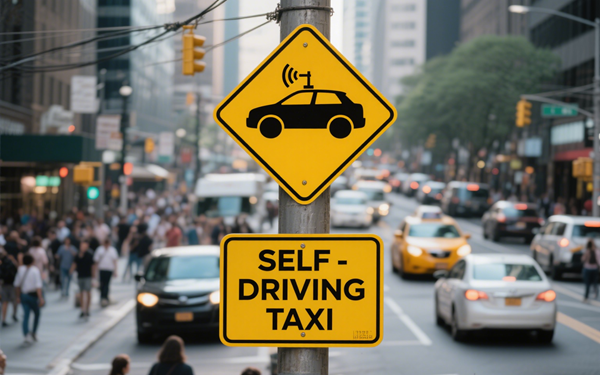
The capital infusion is a direct fuel for aggressive commercialization. In a blog post, Waymo’s co-CEOs, Tekedra Mawakana and Dmitri Dolgov, framed the shift starkly: “We are no longer just proving a concept; we are scaling a commercial reality.” The company plans to use the funds to expand its ride-hailing service into over 20 additional U.S. cities and key international markets like Tokyo and London by 2026, up from its current six U.S. cities.
The expansion is backed by rapidly scaling operations. Last year alone, Waymo completed a staggering 15 million rides—a threefold increase from the prior year—demonstrating the growing reliability of its AI-driven technology. This operational maturity positions Waymo to tap into a global autonomous vehicle market projected to be worth $2.2 trillion by 2030.
Waymo’s success is just the most visible tip of Alphabet’s accelerating AI iceberg. The company’s AI momentum is building simultaneously across multiple fronts:
Analysts point to Alphabet’s integrated approach as a key differentiator. The company’s custom Tensor Processing Units (TPUs) provide a structural cost advantage in training and running AI models. Crucially, AI investments are strengthening its core businesses—like Search—rather than disrupting them, while Google Cloud captures new, high-margin revenue.
Despite its growth, Alphabet’s stock appears reasonably valued. It trades at approximately 29 times forward 2026 earnings, with a price/earnings-to-growth (PEG) ratio of about 0.7—a figure often considered undervalued for a company of its scale and momentum.
Waymo’s $126 billion valuation is more than a milestone for autonomous driving. It is a powerful indicator that Alphabet’s decade-long AI investment thesis is now entering a period of tangible, multi-faceted returns, solidifying its position as a leader in the next technological era.