
Markets lurched into risk-off after the assassination of Iran’s Supreme Leader, Ali Khamenei, with the shock punching through every asset class. The VIX jumped 12% to 22.40. Brent crude vaulted back above 80 dollars and WTI surged more than 7% toward 72 dollars as pre-dawn strikes by the United States and Israel inside Iran fueled supply risk. Gold spiked to fresh records, with spot near 4,380 dollars and futures above 5,400 dollars. Equities cracked: the Dow slumped more than 500 points and the S&P 500 sliced through its 100-day moving average, with traders eyeing 6,775 as a critical support. Crypto buckled, with Bitcoin sliding back under 66,000 dollars. Rising Treasury yields darkened the housing tape and clipped homebuilders. The tape is trading war premium and event risk, not earnings or multiples.
The oil market immediately repriced the probability of disruption after reports of joint U.S.-Israeli strikes on strategic sites inside Iran and a separate hit on a Saudi refinery. Brent’s break above 80 dollars and WTI’s sprint to the low 70s reintroduce a geopolitical risk premium that had bled out of crude for months. Any credible threat to flows through the Strait of Hormuz would have outsized impact, with roughly a fifth of global oil passing the chokepoint. Options skew turned bid as traders paid up for upside protection. Integrated majors like Exxon Mobil and Chevron typically outperform into price spikes, while refiners’ margins can tighten if crude outpaces products. Airlines and travel stocks usually catch the downdraft as jet fuel costs rise. Watch tanker day rates, insurance costs for Gulf transits, and signs of Strategic Petroleum Reserve deployments. OPEC plus spare capacity can cap sustained rallies, but policy coordination takes time to materialize in a fast-moving security crisis.
A VIX print north of 22 signals investors are pricing more gap risk and headline volatility. The S&P 500 losing its 100-day moving average is a mechanical trigger for systematic sellers, and the 6,775 zone is now the level to defend. Growth leadership wobbled as higher oil and higher yields compress risk appetite. Megacaps including Apple, Nvidia, and Tesla were under pressure, with liquidity rotating toward defensives and cash-proxy names. Banks and brokers face a mixed setup: fatter net interest margins if yields stay bid, but weaker dealmaking if volatility persists. Short-dated index puts drew heavy demand, and correlation jumped, a typical war-scare pattern where idiosyncratic alpha takes a back seat. If realized vol stays sticky, buyback programs may pause at the margin, adding to fragility on dips.
Gold’s melt-up to new highs underscores the flight to tangible hedges when energy prices and conflict risk move in tandem. ETFs like GLD and mining proxies gained on the shock as real-rate sensitivity took a back seat to tail-hedging demand. The dollar’s safe-haven bid is colliding with higher oil, complicating the inflation narrative that markets had just started to tame. Bitcoin’s slide back through 66,000 dollars highlights its ongoing correlation to risk assets in acute stress. Stablecoin flows and on-chain activity will be watched for signs of forced liquidations, but the signal so far is simple: traditional hedges are winning the safe-haven contest in a kinetic conflict, while crypto behaves like high-beta tech. If volatility persists, institutional allocators may reweight into bullion and out of speculative growth until the policy path is clearer.
The Financial Times reported Israel spent years hacking Tehran’s traffic cameras and tracking bodyguards ahead of the strike that killed Khamenei. That level of persistent access is a message to regimes, but it is also a market story. The same toolkits that turn city infrastructure into surveillance tripwires have corporate analogs in ports, pipelines, utilities, and logistics. Energy, industrials, and shipping operate complex operational technology with uneven cybersecurity. If retaliatory cyber activity rises, critical infrastructure vulnerability becomes an earnings variable. Cybersecurity majors such as CrowdStrike and Palo Alto Networks tend to catch flows into these scare cycles, but the bigger implication is operational risk for blue chips that considered cyber a compliance line item rather than a core exposure. Insurers will reassess coverage for cyber-physical events, potentially raising costs for operators with legacy systems across the Middle East supply chain.
Treasury yields jumped as oil surged, stoking inflation anxiety just as markets were getting comfortable with a soft-landing script. A rate shock from geopolitics is the worst-case mix for housing. Mortgage rates edging back toward or above 6% throw sand in the gears of the spring selling season, pressuring homebuilder sentiment and shares like D.R. Horton and Lennar, and ETFs tied to the space. Higher-for-longer was a macro talking point on Friday; it turned into a tape reality by Monday. Rate vol tends to leak into credit. Keep an eye on high yield ETFs like HYG and investment grade benchmarks such as LQD for signs of spread widening. If spreads move in tandem with yields, corporate financing conditions will tighten faster than earnings models assume, and buy-the-dip appetite in cyclicals will fade.
Defense contractors rallied on the immediate shift in procurement expectations and global hot-spot risk. Names like Lockheed Martin, Northrop Grumman, and RTX usually draw inflows when escalation risks climb. But the broader supply chain is in the crosshairs too. Any sustained disruption to Gulf shipping would ripple into freight rates and insurance premiums, with knock-ons to chemicals, autos, and consumer goods. Watch port throughput data, satellite-tracked tanker traffic, and insurer advisories for re-routing. U.S. gasoline prices tend to lag crude moves, but refinery outages or new attacks could accelerate pump-price increases. The White House will weigh coordinated releases with allies if crude grinds higher, but inventories are not a panacea if flows are at risk. Corporate treasurers across transport and manufacturing will dust off contingency plans drawn up during the Red Sea and Black Sea disruptions.
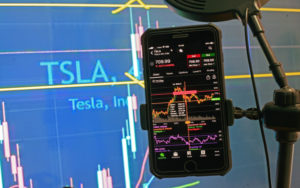
Higher yields, higher oil, and higher vol are a rough cocktail for long-duration tech. Tesla, a bellwether for risk tolerance as much as autos, traded heavy alongside other megacaps as investors de-risked. Space-related assets will draw fresh scrutiny given the Middle East backstory and the role of satellite connectivity in modern conflict. Musk’s influence over multiple domains that intersect with geopolitics ensures his companies stay in the market’s line of sight during crises. Cloud and AI leaders may argue their earnings power is insulated, but in stress regimes the market sells what it can, not what it wants. If buy-side risk budgets contract, unprofitable growth typically underperforms while cash-generative platforms with pricing power hold relative strength. The test is whether the geopolitical shock is a one-week air pocket or a quarter-long reset of multiples.
– Headlines rule the tape. Any confirmation of further strikes, reprisals against energy infrastructure or shipping, or signs of Iranian proxy activity will move crude and equities tick-for-tick.
– Hormuz shipping lanes. Real-time tanker tracking, marine insurance surcharges, and day-rate spikes are the cleanest reads on near-term supply risk.
– Policy responses. Statements from OPEC plus, potential SPR coordination, and central-bank language around oil-driven inflation will reset cross-asset correlations.
– Credit and liquidity. If high yield and investment grade spreads widen alongside rising yields, equities will struggle to find a foothold. Dealer liquidity thins into elevated VIX regimes.
– Technicals. The S&P 500 holding or losing 6,775 will dictate whether systematic selling accelerates. Watch options positioning and reflexive gamma flows around major strikes.
The market is trading a real-world security shock with open-ended outcomes. The FT’s reporting on the long runway to Khamenei’s killing underscores how deeply cyber and physical domains are now intertwined. For investors, that means volatility tied to headlines is only half the story. The operational and policy aftermath will determine whether this is a risk spike that fades with a ceasefire, or the start of a higher-volatility, higher-inflation regime that rerates assets across the board.