Pinnacle Silver & Gold Corp (TSXV: PINN)
Building a New Americas-Focused Silver and Gold Company
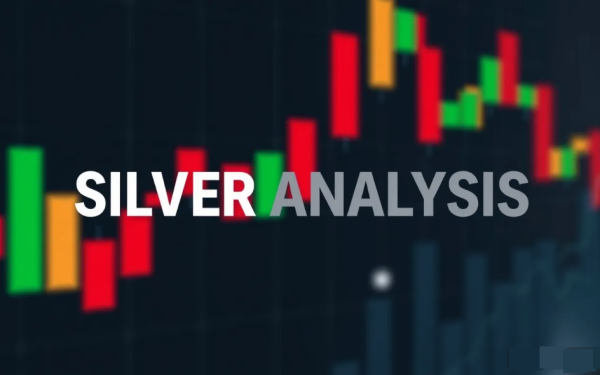
Silver has been whipsawed in 2026, but two prominent voices in the market are cautioning investors not to mistake the price swing for a broken fundamental story.
The metal surged to roughly $121 an ounce on Jan. 29 before sliding sharply. Spot silver now trades near $65, a drop of about 46% from that peak. Against that backdrop, the Silver Institute and Citi have both signaled that the selloff has not undermined the metal’s longer-term case.
Citi kept its bullish targets intact, maintaining a zero-to-three-month forecast of $75 an ounce and a six-to-12-month forecast of $90. Michael DiRienzo, president and CEO of the Silver Institute, said the market has established new price floors far above those of the previous decade.
In a podcast interview, DiRienzo said investors should not let the price swings obscure a bigger story: the underlying silver market remains strong. Industrial demand is still a key pillar. Solar manufacturers have an incentive to reduce silver use, but alternative materials still face obstacles to scaling up. Silver remains the most electrically conductive metal, and screen-printing silver paste is a mature, reliable process. Artificial intelligence data centers could also generate additional demand, though the precise amount is difficult to quantify.
Supply is even slower to respond. Some mining projects trace back to plans made a decade ago, and producers remain cautious about expanding output. The Silver Institute expects mine production to fall 0.3% in 2026, while recycled supply rises about 7% — not enough to close the gap. The institute projects a sixth consecutive structural deficit of roughly 46 million to 50 million ounces this year.
DiRienzo added that about 75% of silver held in London vaults is already allocated to exchange-traded products, leaving limited free float. Previous tariff concerns and tight conditions during India’s Diwali period showed how quickly physical supply can become strained. A similar squeeze, he said, could “absolutely” happen again.
Citi’s client note maintained a constructive view, arguing that investment demand will become increasingly important. If tensions around the Strait of Hormuz ease quickly, silver could track gold with high beta and serve as an “ideal upside play,” according to the bank. A less hawkish Federal Reserve would also relieve pressure from real yields and the dollar, improving the environment for precious metals.
Citi acknowledged that solar-related demand faces a structural slowdown. Manufacturers are steadily reducing silver content per cell, and back-contact cell technology could accelerate that trend if it becomes a leading solar technology around 2028. Still, demand tied to artificial intelligence, 5G and electric vehicles remains resilient. Citi expects the global silver market to remain in deficit through 2027.
India provides additional support. The domestic silver premium is about 7%, and the fourth-quarter festive and wedding season could further bolster physical demand.
Taken together, the two views suggest the near-50% pullback from January’s high has not erased the long-term logic of industrial and investment demand. Citi sees silver reaching $75 in the near term and $90 over the next six to 12 months. The Silver Institute’s message is similarly direct: silver is no longer the $13-to-$15 metal many investors remember.