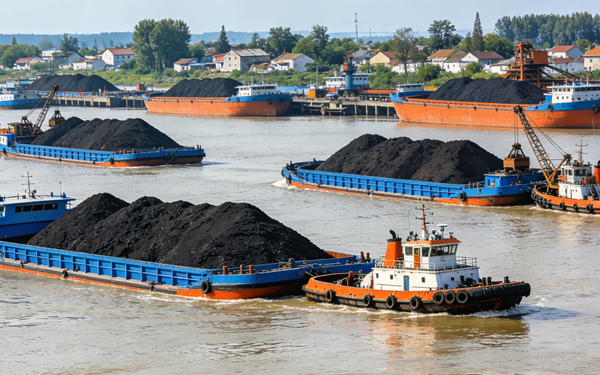
Disruption in the Strait of Hormuz. LNG prices doubling. Exports from Qatar grinding to a halt. As war cuts off Asia’s natural gas lifeline, governments from India to South Korea are turning to the same familiar solution: coal.
This isn’t a policy reversal, analysts say. It’s the exposure of a deeper structural problem at the heart of Asia’s energy transition.
The first reason is geography. Asia is the world’s coal heartland. China and India are the top two producers, while Indonesia is the largest exporter. When global LNG supply chains fracture, regional coal flows remain relatively stable.
Second is infrastructure lock-in. Coal power still serves as the backbone of electricity systems across much of Asia, backed by established ports, rail networks and power plants. Ramping up coal output carries a far lower short-term marginal cost than building new LNG terminals or waiting for renewable capacity to scale.
Third is the fragility of alternatives. Renewables are weather-dependent. LNG, meanwhile, is prone to extreme price volatility and its supply is concentrated among a handful of exporters — making it highly vulnerable to geopolitical shocks. As Duke University energy expert Sandeep Pai put it, coal’s wide availability makes it the “default backup” when gas or clean energy falls short.
The costs of this coal reliance are mounting. In India, more than 1.4 billion people breathe air that the World Health Organization considers unsafe. In Hanoi, residents worry about the health effects on children. Climate goals are also under pressure: South Korea, which plans to phase out coal by 2040, has temporarily lifted caps on coal-fired generation during the crisis. Local climate groups warn that “the concern is not just the decision itself — it is the precedent it sets.”
The economics are shifting too. Since Indonesia began prioritizing domestic supply over exports, regional coal prices have jumped more than 13 percent. For net importers like Vietnam and Thailand, that means higher electricity costs and strained state finances.
Pauline Heinrichs of King’s College London offered a stark observation: by repeatedly falling back on coal in times of crisis, countries are “reproducing the insecurity” they seek to escape. True energy security, she and others suggest, may lie not in stockpiling any single fuel, but in breaking the cycle of import dependence, crisis and coal burn.
“Recent shocks once again refute the case for relying on imported fossil fuels in energy sector development plans,” said Sam Reynolds of the Institute for Energy Economics and Financial Analysis (IEEFA). “This potentially creates more opportunities for renewables.”
In the current crisis, coal is buying Asia time. But whether the region can use that time to finally break the cycle will shape both its energy security and its climate future for decades to come.