Kevin Warsh Is About to Become Fed Chair, Any Chance of Rate Cuts in 2026?
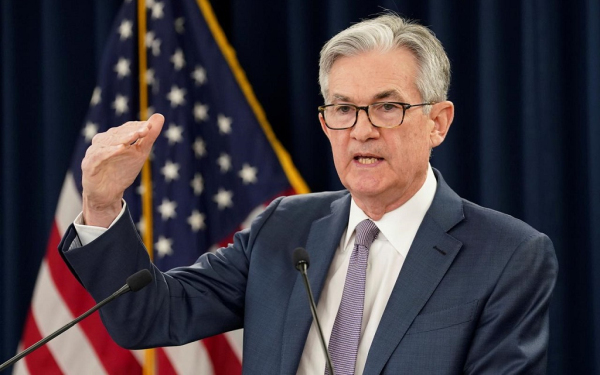
On May 15, 2026, the Federal Reserve will undergo a highly dramatic power transition. Current Chair Jerome Powell’s term officially ends, and Kevin Warsh – Donald Trump’s hand‑picked successor – is expected to take the helm after final Senate confirmation.
Yet on the eve of this transition, the Fed just decided by a rare 8‑4 vote (the most dissents since 1992) to keep its benchmark interest rate unchanged at 3.5% – 3.75%, marking the third consecutive meeting on hold. Market expectations for a rate cut this year have plunged to just 17%, with even a 7% probability of a hike – a stark contrast to the fervent early‑year discussions of “when” the Fed would cut next.
Does the arrival of a new chair signal an imminent shift in the rate path? The answer is far from simple.
Powell Stays on the Board: A Quiet Check and Balance
On April 29, Powell made it clear that after stepping down as chair, he would continue to serve as a Fed governor “until the investigation into me is fully and transparently concluded.” This decision makes him the first former Fed chair since 1951 to remain on the central bank’s Board of Governors after his term expired. Powell’s term as governor runs until 2028, meaning the Trump administration cannot use that vacant seat to install another new governor inclined toward rate cuts.
The only current vacancy on the Board belongs to Stephen Miran – the FOMC’s most ardent advocate for rate cuts, who at every meeting since taking office last September voted for deeper cuts than the consensus. Miran’s term effectively expired in January. In other words, Trump can directly influence only Warsh’s appointment, while Powell’s continued presence on the Board objectively adds a layer of uncertainty and discursive counterbalance to future interest rate decisions.
Warsh’s Dilemma: Pressure to Cut Rates in Front of an Inflation Fire
Warsh was hand‑picked by Trump, who for years publicly criticised and insulted Powell for not cutting rates more aggressively. The White House clearly expects Warsh to push for looser monetary policy. Yet the reality before Warsh is exceptionally thorny.
The primary shock comes from energy prices. The Iran war has effectively closed the Strait of Hormuz for two months, sending Brent crude briefly above $111 per barrel and sending gasoline and diesel prices soaring. Data released by the U.S. Commerce Department on April 30 showed that the Fed’s preferred inflation gauge – the Personal Consumption Expenditures (PCE) price index – rose to 3.5%, the highest level in nearly three years, and is still climbing. Rising transportation costs are spilling over into other goods and services. At the same time, the Trump administration’s additional tariff plans further cloud the inflation outlook.
With inflation having exceeded the Fed’s 2% target for more than five years, a growing chorus inside the Fed is pushing back against rate cuts. In an essay published May 1, Minneapolis Fed President Neel Kashkari made clear that even if the Strait of Hormuz reopens soon, rates would have to stay “at current levels for an extended period, followed only by gradual easing.” If the Strait remains closed for a prolonged period, “a series of rate increases could be warranted, even at the risk of further weakness in the labour market.”
The New Chair’s Real Impact: More About Pace Than Direction
Markets tend to overestimate a single central bank chief’s ability to steer the rate path in the short term. When Warsh takes over, he will face an FOMC that has already formed a consensus to “hold” – the 8‑4 vote proves that even without Powell, the committee’s willingness to keep rates steady remains strong. As the new chair, Warsh can certainly shape the meeting agenda and communications strategy, but pushing aggressively for rate cuts before inflation materially subsides would encounter significant internal resistance.
Even more noteworthy is that Powell, by staying on as a governor, will continue to vote at every FOMC meeting after stepping down as chair. Although he has said he will not act as a “shadow chair” interfering with Warsh’s decisions, his stature as a former chair and defender of an independent monetary policy will undoubtedly act as a moral constraint on any overly aggressive push for rate cuts.
For investors, the key to judging the interest‑rate path lies not in the name of the chair, but in when oil tankers can resume normal passage through the Strait of Hormuz and when the PCE index returns toward the Fed’s 2% target. Until then, regardless of who sits in the chair, the Fed will most likely continue to adopt a “patient” – even hawkish – wait‑and‑see stance.
Federal Reserve
Financial Service
Interest Rate
U.S. stocks