

Kirkland Lake Discoveries Corp (TSXV:KLDC, OTC:KLKLF)
District-Scale Exploration in World-Famous Gold Camp
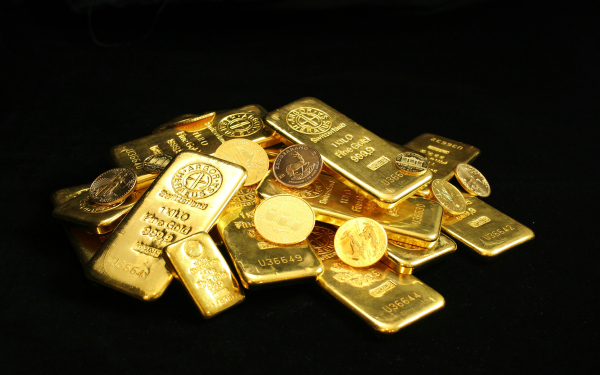
Spot gold and silver edged lower in early U.S. trading on Friday, as a blowout U.S. jobs report reshaped market expectations for Federal Reserve policy. Hot payroll data drove Treasury yields and the U.S. dollar higher, creating significant headwinds for precious metals and pushing gold decisively below the key $4,500 threshold.
Bullion remained under persistent pressure throughout the week, with bearish momentum accelerating sharply following the robust employment print.
Latest data from the U.S. Bureau of Labor Statistics showed the U.S. economy added 172,000 nonfarm payroll jobs in May, nearly double the market consensus forecast of around 80,000. April’s job figures also received a substantial upward revision, with the month’s job gains upgraded to 179,000 from the initial estimate of 64,000. The U.S. unemployment rate held steady at 4.3%, matching market expectations and underscoring unexpected resilience in the domestic labor market.
The upbeat jobs reading erased earlier market optimism over a soft economic landing, completely reversing early session trading sentiment. Following the data release, rising Treasury yields and a stronger U.S. dollar fueled growing bets on a Fed rate hike before the end of the year. Elevated oil prices have kept inflationary pressures sticky, and the combination of solid economic activity and lingering inflation has further bolstered hawkish Fed outlooks. According to the CME FedWatch Tool, the probability of a 2026 rate hike has climbed above 50%, emerging as a core bearish catalyst for gold prices.
Spot gold traded down 0.24% at $4,464.60 per ounce, while spot silver fell 0.77% to settle at $73.320 per ounce. Gold struggled to sustain gains above the critical $4,500 level for the entire week, and the better-than-expected payroll print triggered intensified selling pressure, leaving the precious metal vulnerable to further short-term declines.
Market analysts noted that persistent U.S. economic resilience continues to weigh on gold bulls. The blockbuster jobs report has reinforced rate hike expectations, underpinning the U.S. dollar’s uptrend and limiting upside for non-yielding bullion. From a technical perspective, gold faces immediate near-term pressure, with bears targeting the $4,350 support zone. An escalation in selling momentum could push prices further down to the key structural floor at $4,300 per ounce.