Pfizer (PFE) is betting that convenience can close the gap in the booming weight-loss drug market, but a closer look at the cash flows behind its eye-catching 7% dividend yield suggests investors are being asked to swallow two very different kinds of risk at once.
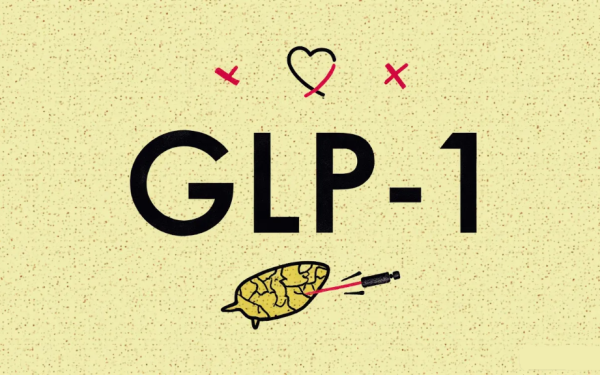
The pharmaceutical giant, badly lagging behind Novo Nordisk and Eli Lilly in the GLP-1 arena, has pinned its comeback hopes on Berobenatide, an investigational drug that would need to be taken just once a month. That stands in stark contrast to the weekly injections required by Novo’s Wegovy and Lilly’s Zepbound, or the daily pills the two leaders are now rolling out. With long-term medication adherence for chronic conditions stuck around 50%, a monthly regimen could become a decisive differentiator in a market where staying on the drug is just as important as its efficacy.
Late-stage trial data released by Pfizer suggest Berobenatide delivers weight loss that is at least comparable to — and on some measures better than — the current standard-bearers. If the drug can match rivals on results while slashing the dosing burden to roughly 12 times a year, analysts see a path for Pfizer to carve out a meaningful slice of a market that is still expanding rapidly. The company, which abandoned its earlier GLP-1 candidate and had to acquire an outside program, knows it is arriving late. Yet the bet is that a significant pool of patients and prescribers will gravitate toward the simplest regimen, particularly for a therapy that is meant to be taken for life.
Still, the runway is not unlimited. Berobenatide has not yet been filed for regulatory approval, and Pfizer must still complete the remaining steps in the process. Meanwhile, neither Novo Nordisk nor Eli Lilly is standing still; both are working on next-generation offerings, including more potent formulations and even less frequent dosing. The window of opportunity will not stay open forever.
While Berobenatide offers a glimpse of potential growth that Pfizer desperately needs, the stock’s 7% dividend yield — one of the fattest in big pharma — is telling a more uncomfortable story about the company’s financial footing. On the surface, the payout looks secure. Consensus estimates put 2026 earnings per share at about $2.99, implying a payout ratio of just 57% against the annual dividend of $1.72. Management reinforced its commitment as recently as May on the first-quarter earnings call, saying preserving and supporting the dividend remains a priority.
The trouble is that dividends are paid in cash, not accounting profits. In its 2025 fiscal year, Pfizer’s free cash flow fell short of covering the dividend by roughly $700 million. The company was forced to dip into its cash reserves to bridge the gap. With around $13 billion in cash still on the balance sheet, a single year of shortfall does not pose an immediate existential threat. But it erodes the buffer at a time when the underlying business is facing a far bigger structural challenge.
Pfizer is approaching a punishing patent cliff. Eliquis, its top-selling drug with about $8 billion in 2025 revenue, and several other key products are set to lose exclusivity in the coming years. At the same time, sales of COVID-19 vaccine Comirnaty and antiviral Paxlovid are in steep decline. Industry estimates suggest the company could lose as much as $17 billion in annual revenue from its existing portfolio by 2030. New launches, including Berobenatide, may eventually fill part of the hole, but the speed and scale of that replacement remain uncertain. With a shrinking top line, the gap between free cash flow and dividend obligations is more likely to widen than to heal on its own.
For investors, Pfizer now presents a stark trade-off. On one side, a monthly obesity drug that could redefine treatment adherence and put the company back in contention in one of the industry’s most lucrative races. On the other, a high-yield stock whose payout is quietly being propped up by cash drawdowns even as a wave of patent expiries gathers force. The promise of Berobenatide may well reshape Pfizer’s growth narrative in the years ahead, but the foundation underneath that 7% dividend is considerably less solid than a quick glance at the earnings-based payout ratio would suggest.