Americore Resources (TSXV: AMCO)
Drilling Value in the Silver State
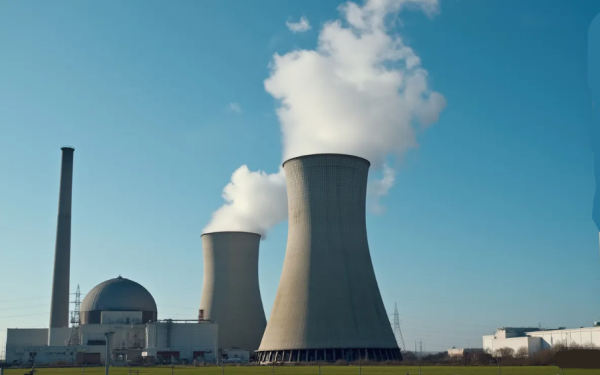
The U.S. Department of Energy on Tuesday selected Tennessee, Utah, Louisiana, Idaho and Oklahoma as potential hosts for “Nuclear Lifecycle Innovation Campuses,” signing non-binding memorandums of understanding with the five states. The initiative, described by a uranium company chief executive as “Manhattan Project 2.0,” is designed to build out a complete domestic nuclear fuel cycle spanning uranium enrichment, spent fuel reprocessing, fuel fabrication and waste disposal.
Under the agreements, each campus would consolidate waste sites, enrichment and reprocessing facilities, and fuel fabrication plants, with the potential to also accommodate advanced reactors, power generation and data centers. The department estimates that a single campus could attract up to $50 billion in capital investment, generate as much as $10 billion in state and local tax revenue and create nearly 25,000 jobs.
Energy Secretary Chris Wright said the five candidates were picked from 28 applications submitted by 26 states. “These campuses will be massive generators of economic growth, create thousands of high-paying jobs, and be crucial to unleashing America’s nuclear renaissance,” Wright said, adding that the concept follows President Donald Trump’s directive to restore the domestic nuclear fuel cycle and accelerate industry growth. Trump has previously set goals to quadruple U.S. nuclear power capacity and build 10 large new reactors.
The United States has nearly 100,000 metric tons of spent nuclear fuel in need of a long-term disposal solution. A 1987 congressional designation of Yucca Mountain in Nevada as the permanent repository was derailed by decades of political opposition. The new campus plan offers a fresh pathway for the final disposition of used nuclear fuel.
The Energy Department issued a request for information on January 28, inviting states to express interest by April 1, and indicated at the time that initial campus facilities could be operational as early as 2027. States that choose to move forward will sign formal hosting agreements with the department at a later stage.