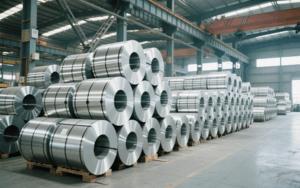
Copper keeps getting sold like a boring industrial metal, which is exactly how markets like to hide the good stuff. Panmure Liberum says it offers gold-like inflation protection with industrial demand growth and a relative shrug toward interest rates, while traders are busy front-running U.S. tariff risk and turning the COMEX warehouse system into a very expensive storage unit. That is a lot of drama for a red metal that usually just wants to wire buildings, power grids, and investor anxiety.
The pitch from Panmure Liberum is simple enough to annoy both macro tourists and commodity lifers. Copper, they argue, gives you the inflation hedge people usually chase in gold, but with a real economy tailwind attached. David Aspell also pointed out that copper does not have the scarcity and physical traits of true precious metals like gold and silver, saying reserves and scarcity are “massively different both outright and relative to production.” Translation: this is not a shiny museum piece. It is a working metal with a price problem, and lately that problem has been moving higher.
LME benchmark copper was up 0.2% to $9,618–$9,621 per metric tonne as of May 14, 2025, 0955 GMT, after touching $9,642, its highest since April 3. That is not a fireworks show, but in commodities, a slow grind can matter more than a one-day scream. The market is also dealing with a U.S. investigation into possible new tariffs on copper imports that has been running since February 2025, which keeps traders leaning forward like they heard a door creak in the next room.
Trading profile: steady advance, not panic buying, with a price that keeps refusing to roll over. Key takeaway: copper is acting less like a sleepy industrial input and more like a policy trade wrapped in a macro hedge. If you are waiting for a dramatic breakdown before paying attention, the market may have already left the chat.
COMEX copper inventories rose 77% to 165,112 tons since the end of February 2025, a jump Reuters tied to tariff front-loading. That is the kind of number that tells you traders are not exactly embracing spiritual serenity. They are hauling metal around because the policy risk feels real enough to justify clogging the pipeline, and Morgan Stanley expects additional deliveries, “with more to come,” which leaves a buffer of tariff-free metal in place for now.
Trading profile: inventory surge, premium trade, and a market that looks more like logistics than romance. Key takeaway: when copper starts living inside warehouse math, the signal is not just supply. It is fear, and fear has a very expensive freight bill.
The COMEX premium over LME copper peaked at 18% in March 2025 and had eased to about 10% by mid-May 2025. That narrowing matters because it suggests the tariff panic trade has come off the boil, even if it has not gone away. Traders who sprinted into the spread when tariffs looked imminent are now dealing with a market that still cares about policy, just with slightly less hysteria and slightly more caution.
Trading profile: premium compressing, speculative heat fading, and nobody wanting to be the last person holding a too-hot basis trade. Key takeaway: the spread is still telling you policy risk exists, but it is also telling you the market has already priced a fair amount of the fear. When a trade cools from absurd to merely tense, that is still a trade.
Panmure Liberum’s Tom Price said investors have “rotated away from safe-havens like gold back into the industrial space.” That is the cleanest description of the current mood swing. Gold still has its defenders, but if copper can keep attracting capital by looking like an inflation hedge with actual economic use, then gold stops being the only macro umbrella in the storm. Copper lacks gold’s mystique, but that is kind of the point: it has jobs.
Trading profile: softer relative appeal, with money drifting toward metals tied to growth and industry instead of pure fear. Key takeaway: gold is still the classic panic asset, but it is no longer the only place investors look when they want protection. Copper is stealing some of that attention by offering a less glamorous but arguably more practical story.
Price also said investors are not rushing back in with both feet. “However, they are not re-engaging the market in a vigorous way at this early stage but stay very cautious at the moment. They are wondering what (US President Donald) Trump is going to do next,” he told Reuters. That is the real market in one sentence: not conviction, just a lot of people squinting at the policy horizon and refusing to blink first.
Trading profile: cautious rotation, not a stampede, with macro money keeping one hand on the exit and the other on the buy button. Key takeaway: copper may have a better long-term story than gold in this setup, but the trade is still hostage to Washington. Until the tariff question clears, investors are buying thesis, not certainty.
This is not a neat love story between markets and copper. It is a messy triangle of inflation fear, industrial demand, and tariff paranoia, with inventory data acting like the awkward third wheel. The metal is behaving like something bigger than a simple cyclical trade, but the caution from Panmure Liberum’s own analysts says the crowd still wants proof before committing capital.
If you want the cleanest read, it is this: copper is no longer just the thing that makes wires and smug infrastructure forecasts possible. It is now a policy-sensitive asset with a real macro edge, and the market is treating it accordingly. That usually means the next move depends less on spreadsheets and more on whatever the White House decides to stir into the pot.