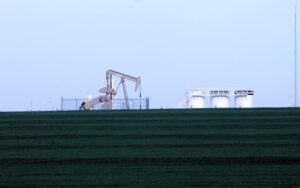

Oil surged back above $105 a barrel Thursday, and global bond markets immediately felt the strain as investors dumped duration, pushed US Treasury yields to their highest since late 2023, and sent UK and German borrowing costs higher in a fresh reminder that inflation risk is not going away.
The move was brutal in its simplicity: higher crude, hotter inflation expectations, and less confidence in government debt. Brent rose more than 4%, touching $105.82 intraday, while West Texas Intermediate climbed 4.4% to about $100, its first move to that level since May. At the same time, the US 10-year Treasury yield rose 0.07 percentage point to 4.9%, and the 30-year climbed 0.05 point to 5.34%, the highest since 2007. UK 10-year gilt yields also rose 0.07 point to 5.34%, matching that 2007 high.
The sell-off landed just as central banks kept pressure on markets. The European Central Bank raised rates to 2.5% on Thursday and warned that eurozone inflation would stay well above its 2% target for a prolonged period. In the US, August producer prices rose 5.4% from a year earlier, up from 4.7% and above analyst expectations. That left traders with little room to argue that the inflation story is already over.
The crude rally was not random. The oil move followed an OPEC report showing a sharp drop in Saudi crude output, helping fuel a jump that took Brent back above a level that markets have treated as a line in the sand. For bond investors, that matters because energy costs can bleed into broader prices, complicate central bank easing bets, and keep long-term yields pinned higher even when growth worries persist.
That is the uncomfortable setup now facing fixed income. Yields are moving higher not because growth is roaring, but because inflation is refusing to fully retreat. The result is a market that keeps repricing the cost of money in real time. When oil climbs and policymakers sound cautious, investors have fewer reasons to buy long-dated bonds, especially after a brutal stretch in US Treasuries.
The US Treasury market also got no help from Washington’s own debt operations. A $6 billion buyback accepted only $5.2 billion in offers, disappointing investors and adding to worries about demand for government debt. Pooja Kumra, rates strategist at TD Securities, summed up the pressure in one line: “Bonds are facing a double whammy — oil prices are grinding higher, while US buybacks and rising credibility risks are pushing term premia higher.”
The stress was not confined to the US. A move in German debt confirmed that the bond sell-off had gone global. German 10-year Bund yields crossed 3.5%, their highest since April 2011, while US and UK yields kept climbing in tandem. That kind of synchronized move is a warning sign for governments financing large deficits, because higher yields raise borrowing costs across developed markets, not just in the US.
Mansoor Mohi-uddin, chief macro strategist at Bank of Singapore, described the setup as a broad squeeze on government debt. “We’re seeing a perfect storm of higher oil prices, more inflation fears, central bank hawkishness and ongoing concerns over fiscal deficits all combining to push global yields higher,” he told Reuters. His point is the one traders are now forced to price: the threat is not a single data point, but several forces hitting at once.
For investors, the key issue is that long-dated bonds are especially sensitive to shifts in inflation expectations and policy credibility. Once those concerns reappear, price moves can accelerate quickly. Thursday’s session showed how fragile the balance is. A modest move in oil became a major global rates event because markets were already leaning against the idea that policy is set to turn easier soon.
The next test comes fast. The US August CPI report is due Friday and is now the obvious catalyst for whether the Treasury sell-off extends or cools. Reuters and Morningstar said a strong reading could push the 10-year yield through 5.00%. That would be a psychologically important break after the benchmark climbed to 4.9% Thursday.
The Federal Reserve meeting the following week is the other major hinge point. Traders have priced around 70% to 72% odds of a rate hike, according to Reuters and Morningstar, which means the market is already leaning toward a tougher policy stance. That leaves little cushion if inflation data comes in hot or if oil keeps rising.
For now, the message from markets is clear: bonds are losing the argument to commodities. Oil above $105 has not just revived inflation fears; it has amplified them across every major developed debt market. If the CPI report confirms that price pressure is still sticky, Treasury yields may not stop at 4.9%. They may challenge the 5% line that traders have been watching all year.