
Dynacor Group Inc. (TSX: DNG)
The World’s Publically Traded Processor of Artisanal Gold
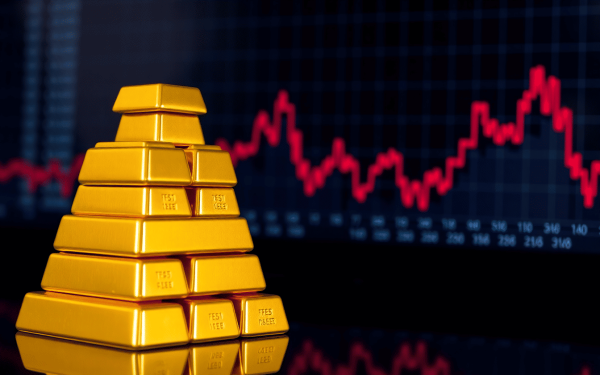
The U.S. 10-year real yield climbed to 2.63% last Friday, its highest level in more than two decades and up 76 basis points year-to-date. Yet instead of triggering another wave of selling, total holdings in gold-backed exchange-traded funds have rebounded to a seven-month high after declining in the first half of 2026 — a clear break in the long-standing inverse relationship between the two.
The real yield is the return an investor earns on a bond after adjusting for inflation. Because gold, silver and platinum pay no interest or dividends, a higher real yield has traditionally made bonds more attractive relative to bullion, weighing on prices. That logic has long served as the single most reliable anchor for gold.
During the Federal Reserve’s aggressive tightening cycle of 2022–2023, surging real yields prompted a broad exit by Western investors through gold ETFs. Gold itself held up only because ferocious central-bank buying absorbed those ETF outflows — in other words, the price decoupled from real yields, while ETF holdings did not.
Today the picture is different. Real yields are climbing again, and this time ETF holders are not heading for the exit. “It is not just the gold price that has decoupled from real yields — ETF holdings are showing signs of doing so as well,” said Ole Hansen, head of commodity strategy at Saxo Bank. The traditional opportunity-cost trade, he argues, is being overtaken by other considerations.
The shift, Hansen says, lies in how long-end yields are being read. An increasing number of investors no longer treat higher long-term yields simply as a higher hurdle for owning gold. They are reading them as a warning signal — of mounting fiscal risk, heavier government debt-service costs and rising financial-stability concerns. In that environment, gold’s role as an asset sitting outside the traditional financial system gains, rather than loses, appeal.
Central-bank purchases have more than doubled compared with the 2010–2021 average, according to data cited by FTSE Russell’s Indrani De. This yield-insensitive demand, she notes, is reshaping how the metal is priced.
Gold’s price action after last week’s Fed rate hike suggested that a more hawkish stance was already largely in the price. “Heading into the weekend, gold appeared to have shrugged off the Fed’s rate hike,” Hansen said.
Compared with 2022–2023, the investor base behind gold has widened. Continued central-bank demand, the return of Western ETF buyers and already-robust Asian investment demand have combined to make overall buying markedly less sensitive to interest rates. Even as precious-metal prices have pulled back recently, ETF holdings have climbed to a seven-month high — evidence, Hansen said, that rate-insensitive investment demand remains intact.
The pricing regime is also shifting. Jurrien Timmer, global macro director at Fidelity Investments, estimates gold’s fair value at about $5,000 an ounce using a global M2 model — an argument that the trade is moving from a “rates story” toward a liquidity-driven one. Hansen remains constructive. The pace of gold’s advance may be slowed by rate hikes, he said, but it is not being halted.